Contact HighSight Team


You will get reply within 48 hours.
Your email ID will not be used for any other purpose.
Your email ID will not be used for any other purpose.
You can email us directly. Our email address: elaine@chinahighsight.com

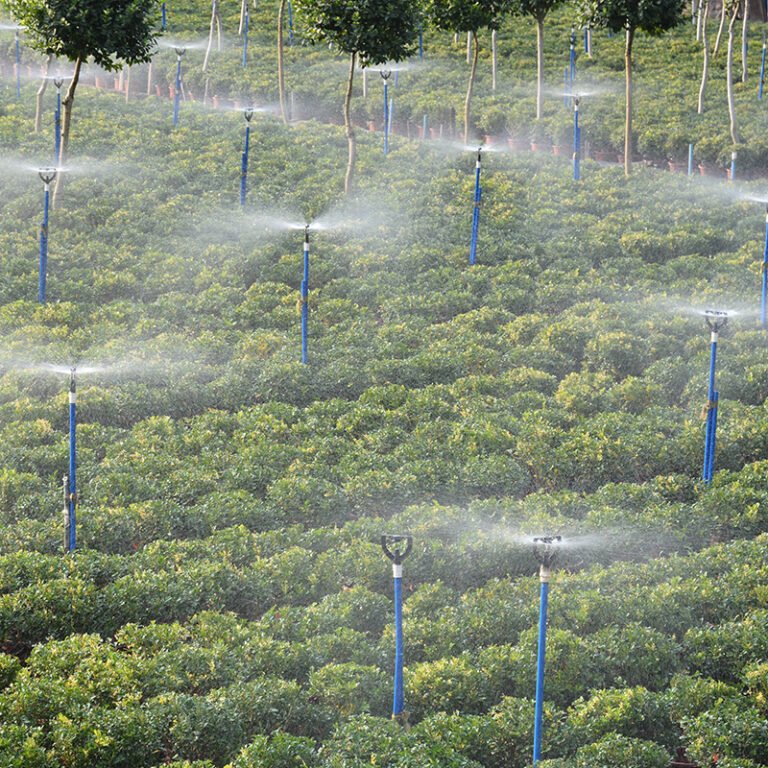
Plastic stake rotating micro sprinklers are versatile irrigation tools suitable for various agricultural and horticultural applications. Their adjustable height, gentle rotation, and precise water distribution make them ideal for crops requiring controlled, uniform moisture without soil erosion or leaf damage.
Plastic stake rotating micro sprinklers have gained popularity among growers due to their efficiency. They are designed to deliver water precisely where it is needed, significantly reducing waste and enhancing crop yields. For instance, in regions facing water scarcity, these sprinklers play a crucial role in maximizing the utilization of available water resources. Additionally, their ease of installation and low maintenance requirements make them an excellent choice for both novice and experienced farmers.
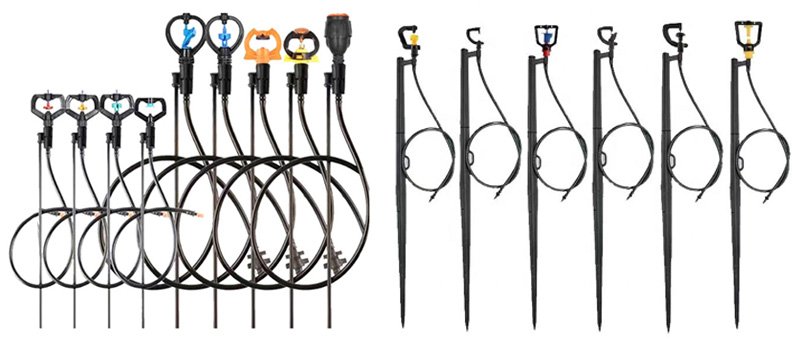
Understanding the ideal crop categories is essential for effective usage of Plastic stake rotating micro sprinklers. Each crop type has specific water requirements, and matching these needs with the appropriate irrigation system can lead to substantial improvements in growth and yield. This guide explores various crop categories that benefit from these micro sprinklers, offering insights into their unique advantages.
In addition to the traditional orchard crops, farmers can explore newer varieties that may benefit from the use of Plastic stake rotating micro sprinklers. These crops often require specific moisture levels, and utilizing this irrigation method can enhance their growth potential.
Citrus Trees: The gentle rotation of the sprinklers minimizes water splashing on the fruit, reducing the chance of diseases that thrive in wet conditions. Additionally, numerous studies have shown that consistent moisture levels improve the overall quality of citrus fruits.
Stone Fruits: By maintaining a balanced moisture level, growers can avoid issues such as fruit drop, which is common in fluctuating water conditions. The fine mist produced by the sprinklers also aids in keeping the leaves dry, which is critical for preventing diseases like peach leaf curl.
Grapes: Young vineyards using these sprinklers can achieve a more uniform root system development. Proper irrigation during the crucial early growth stages can significantly affect the quality of the grapes, leading to better wine production.
Avocados & Mangoes: The adjustable height of these sprinklers allows for targeted irrigation even in dense canopies, crucial for fruit set and overall tree health in warm climates.
Implementing Plastic stake rotating micro sprinklers in orchards not only boosts the growth of these trees but also contributes to sustainability. Efficient water use directly correlates with reduced electricity costs for pumping water, making this method economically viable.
1.Orchard & Vineyard Crops
In vegetable cultivation, the precise application of water can lead to higher yields and better quality produce. Farmers utilizing Plastic stake rotating micro sprinklers report fewer occurrences of blossom end rot in tomatoes and peppers, indicating improved nutrient uptake.
Strawberries: The elevation of these sprinklers means that strawberries are less likely to rot, which can occur with traditional overhead irrigation methods. Furthermore, the consistent watering pattern helps maintain an ideal soil moisture level, critical for berry development.
Leafy Greens: Given their shallow root systems, leafy greens greatly benefit from the fine mist produced. This method reduces the risk of soil erosion and helps maintain nutrient-rich upper soil layers.
Cole Crops: Consistent moisture is vital for optimal head development in broccoli and cauliflower. The micro sprinklers provide even moisture distribution, preventing cracking and ensuring uniform growth.
Vegetable farmers utilizing the Plastic stake rotating micro sprinklers often report increased marketability of their produce, as consistent watering leads to higher quality and better-timed harvests.
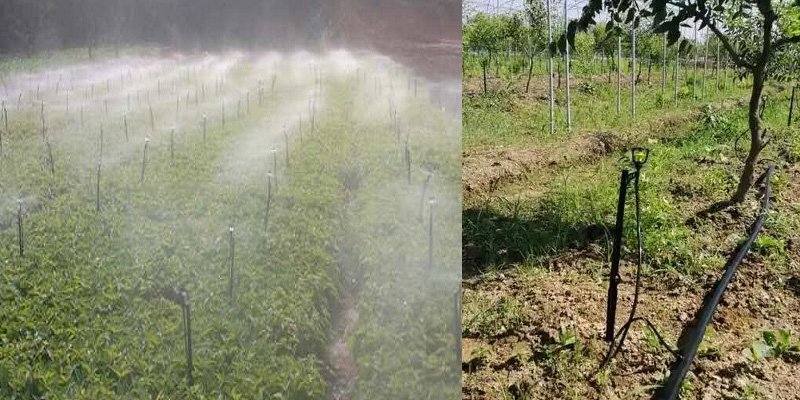
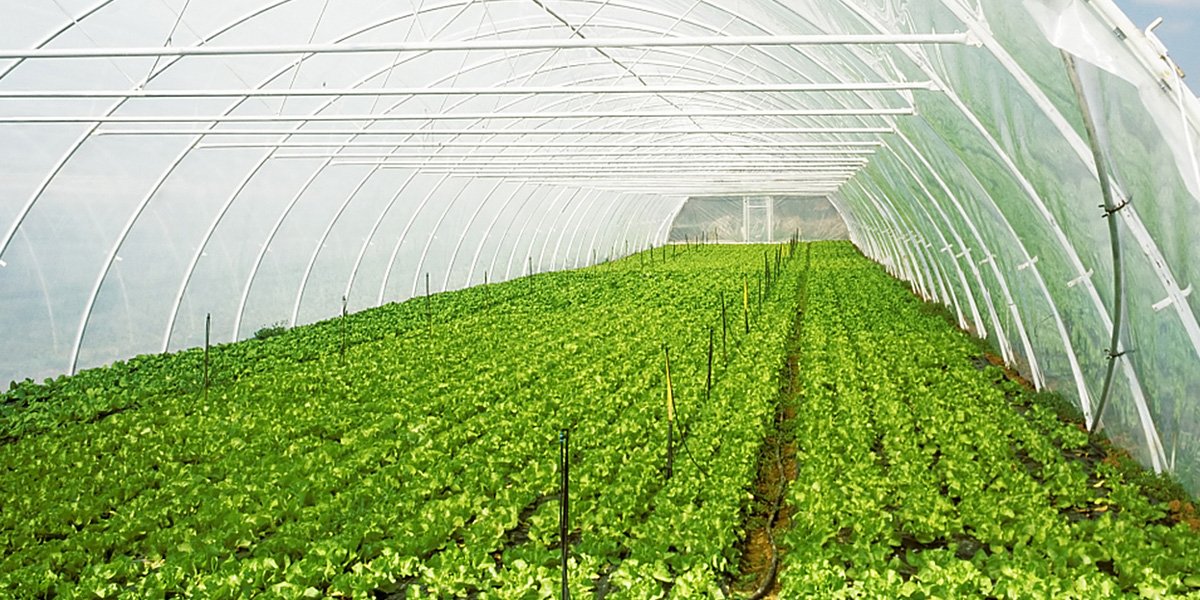
In nursery and greenhouse production, having control over water delivery is essential. With the use of Plastic stake rotating micro sprinklers, growers can create optimal conditions for seedlings, promoting rapid growth and reducing transplant shock.
Seedling Beds: The low-pressure misting effect from these systems aids in sustaining ideal humidity levels without displacing young plants, which is critical for their establishment.
Propagation Areas: These systems ensure that cuttings receive consistent moisture, which is vital for rooting success, ultimately leading to healthier plants ready for sale.
Bonsai & Specialty Plants: The precise targeting capabilities of these sprinklers help maintain the aesthetic appeal and health of bonsai trees, which require specific watering techniques to thrive.
By implementing Plastic stake rotating micro sprinklers in nursery and greenhouse settings, growers can ensure optimal conditions for a wide variety of plants, resulting in higher quality products for their customers.
Blueberries: These acid-loving plants thrive under controlled moisture levels. By using the rotating sprinklers, growers can achieve precise pH management, which is crucial for blueberry production.
Raspberries & Blackberries: Efficient irrigation provided by the micro sprinklers helps reduce the need for herbicides, promoting a more organic approach to berry farming.
Cranberries: The establishment phase is critical for cranberries, and using these sprinklers can facilitate optimal moisture levels, leading to successful bed development.
Citrus Trees (Oranges, Lemons, Limes): Low-pressure rotation prevents fruit knock-off while ensuring root zone hydration.
Stone Fruits (Peaches, Plums, Cherries): Gentle spray minimizes fungal disease risks on foliage.
Field and specialty crops also reap benefits from the targeted approach of Plastic stake rotating micro sprinklers. These systems can significantly enhance the efficiency of water use on turfgrass sod farms and other specialty operations, creating lush and healthy growth.
Cut Flower Farms: The delicate nature of flowers necessitates careful watering techniques. Micro sprinklers provide a gentle shower that keeps foliage dry, which is essential for preventing fungal diseases.
Herb Gardens: The flexibility of these systems allows for height adjustments that match varying plant stages and sizes. This adaptability is key to optimizing growth for culinary herbs.
Hemp/CBD Crops: Cannabis cultivation, particularly for CBD production, requires meticulous attention to watering. Precision irrigation using Plastic stake rotating micro sprinklers can help achieve the desired cannabinoid profiles by ensuring consistent moisture levels throughout the growth cycle.
Crop-specific application guidelines are crucial for optimizing the use of Plastic stake rotating micro sprinklers. Understanding these parameters can lead to better crop outcomes and resource management.
Each crop type has unique water requirements that dictate the recommended stake height and spacing. By following these guidelines, growers can maximize efficiency and crop performance.
Technical advantages of using Plastic stake rotating micro sprinklers in crop production are supported by numerous studies demonstrating their effectiveness in enhancing crop yields and overall plant health.
Micro-climate management is vital for certain crops, particularly in variable weather conditions. By using micro sprinklers, farmers can create optimal growing conditions year-round.
Root zone optimization allows crops to develop stronger and deeper root systems, which leads to increased drought tolerance and better nutrient uptake. This is particularly crucial in areas prone to dry spells.
Fertigation efficiency is enhanced with these systems, allowing for the precise application of nutrients directly to the root zone, ensuring that plants receive the necessary elements without waste.
Grapes: Particularly effective in young vineyards for establishing root systems.
Frost protection is a significant benefit during critical growth phases. Using rotating micro sprinklers can help mitigate frost damage, which can devastate crops if not addressed promptly.
Avocados & Mangoes: Suitable for mature tree under-canopy irrigation in subtropical climates.
2.Vegetable & Row Crops
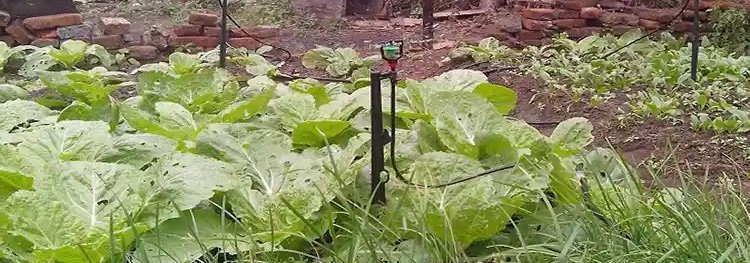
Crops less suitable for this system should be carefully considered by growers. Knowing which crops do not benefit from Plastic stake rotating micro sprinklers can prevent costly mistakes.
In contrast to conventional irrigation systems, the rotating sprinklers can be inefficient for certain tall crops. Understanding these limitations helps growers make informed decisions.
Flood-irrigated systems are better suited for specific crops compared to micro sprinklers. Assessing the crop type and water needs is essential for choosing the right irrigation method.
Highly dense plantings often require tailored irrigation techniques due to their unique growth patterns. Thus, growers need to evaluate their choices to ensure optimal performance.
Foliar diseases can pose significant challenges in humid climates. Growers should time their irrigation carefully to mitigate these risks while maximizing the benefits of Plastic stake rotating micro sprinklers.
Ultimately, the strategic use of Plastic stake rotating micro sprinklers can lead to healthier crops, more efficient water use, and improved yields, making them a valuable tool for modern growers.
Tomatoes, Peppers, Eggplants: Stake height adjusts for both seedling and mature plant stages.
Strawberries: Elevated installation avoids fruit contact with water, reducing rot.
Leafy Greens (Lettuce, Spinach, Kale): Uniform coverage promotes consistent growth without soil compaction.
Cole Crops (Broccoli, Cauliflower, Cabbage): 3-4 meter spacing provides optimal head development moisture.
3.Nursery & Greenhouse Production
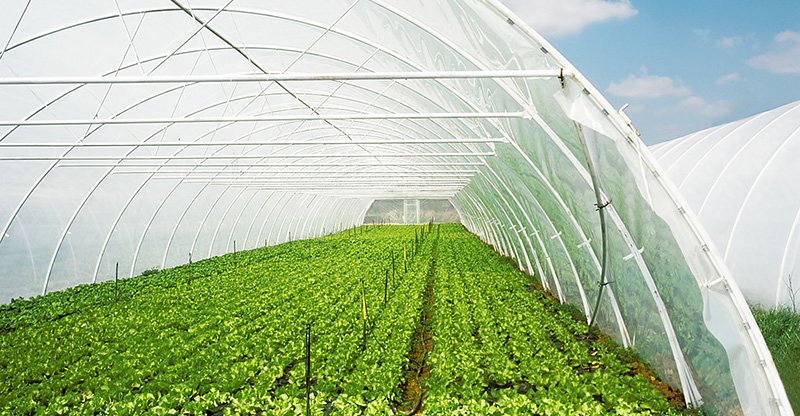
Container-Grown Ornamentals: Individual stake placement allows customized watering per pot size.
Seedling Beds: Low-pressure misting effect prevents displacement of young plants.
Propagation Areas: Consistent humidity maintenance around cuttings.
Bonsai & Specialty Plants: Precise water targeting for valuable specimens.
4. Berry Crops
Blueberries: Acid-loving plants benefit from foliar application in pH-managed systems.
Raspberries & Blackberries: Targeted irrigation reduces weed growth between rows.
Cranberries (during establishment phase): Effective for new bed development.
5.Field & Specialty Crops
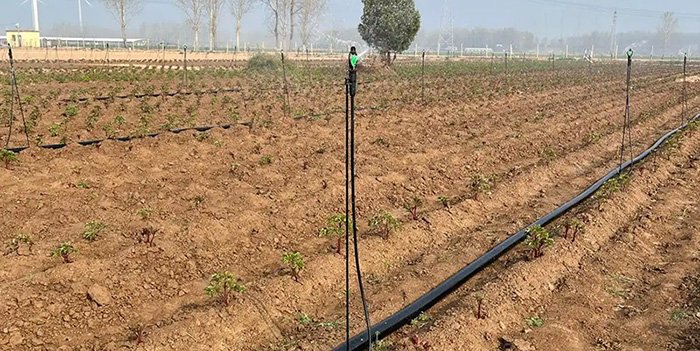
Turfgrass Sod Farms: Efficient overlapping patterns for even turf growth.
Cut Flower Farms (Roses, Lilies, Sunflowers): Foliage stays dry while roots receive deep watering.
Herb Gardens (Basil, Mint, Rosemary): Adjustable patterns accommodate different plant heights.
Hemp/CBD Crops: Precise irrigation control for optimal cannabinoid production.
| Crop Type | Recommended Stake Height | Optimal Spacing | Special Considerations |
| Young Orchards | 1.0-1.2m | 4-5m between sprinklers | Position to avoid direct trunk wetting |
| Mature Vineyards | 0.8-1.0m | 3-4m along trellis | Align with drip line for mixed systems |
| Vegetable Beds | 0.5-0.7m | 3-3.5m square pattern | Adjust height as plants grow |
| Berry Patches | 0.6-0.8m | 2.5-3.5m triangular | Use shorter stakes for trailing varieties |
| Nursery Containers | 0.3-0.5m | Custom per container group | Higher density for small pots |
Rotating micro sprinklers create favorable humidity levels for pollen viability in crops like tomatoes and peppers, while reducing blossom-end rot through consistent moisture availability.
Root Zone Optimization
The 180-360 degree rotation pattern encourages wider root system development compared to static sprinklers, particularly beneficial for tree establishment and drought resilience.
Fertigation Efficiency
Excellent distribution of dissolved fertilizers through rotation action, ensuring even nutrient application across the crop area with minimal leaching.
Frost Protection
During spring frost events, continuous rotation provides more uniform ice formation on plants, offering up to 3-5°C of frost protection when operated before freezing temperatures.
Crops Less Suitable for This System
While versatile, butterfly stake sprinklers may not be optimal for:
Tall field corn (conventional pivot irrigation is more efficient)
Flood-irrigated rice paddies
Extremely dense plantings with less than 1m row spacing
Crops highly susceptible to foliar diseases in humid climates (unless carefully timed)