Contact HighSight Team


You will get reply within 48 hours.
Your email ID will not be used for any other purpose.
Your email ID will not be used for any other purpose.
You can email us directly. Our email address: elaine@chinahighsight.com

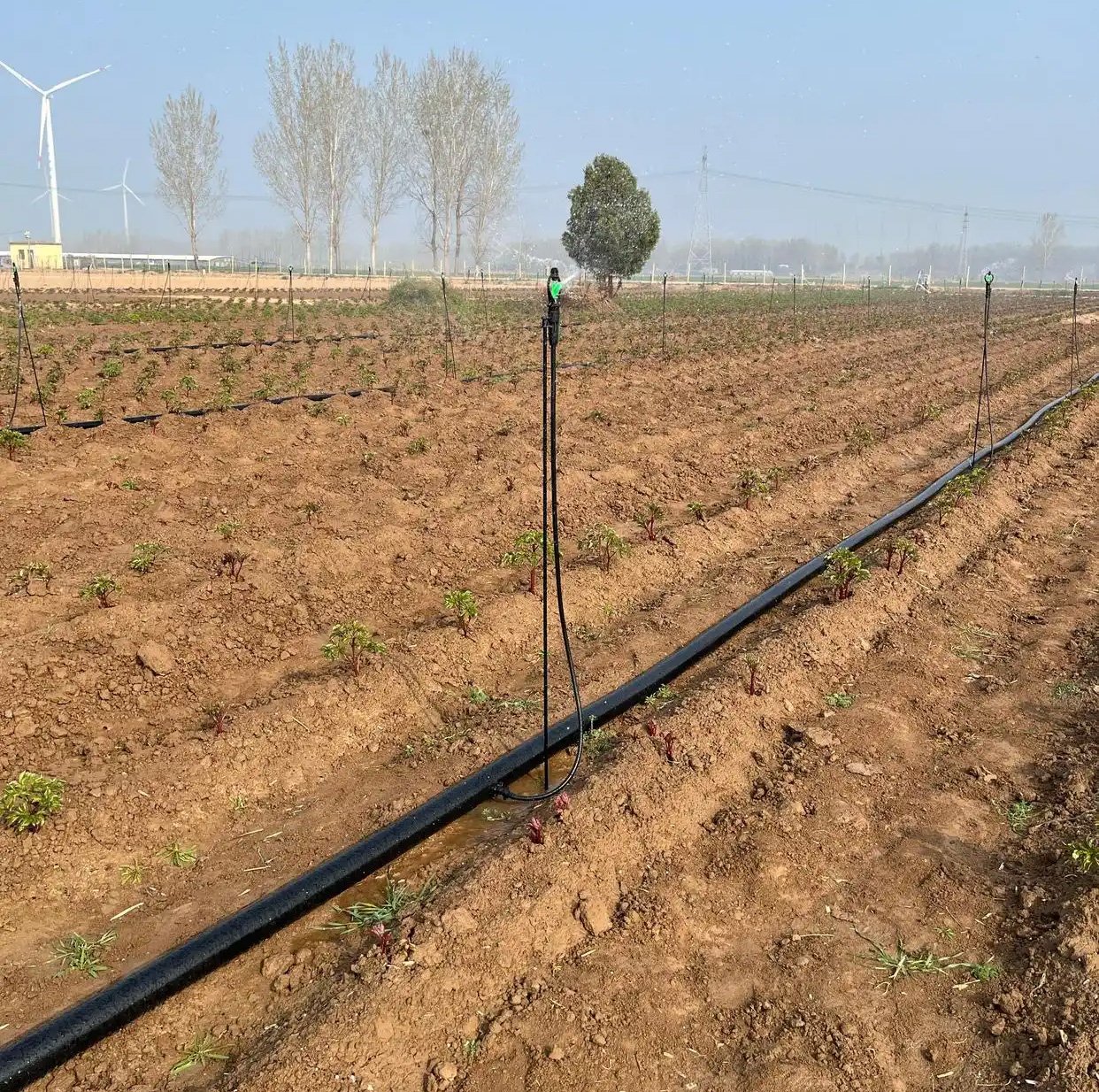
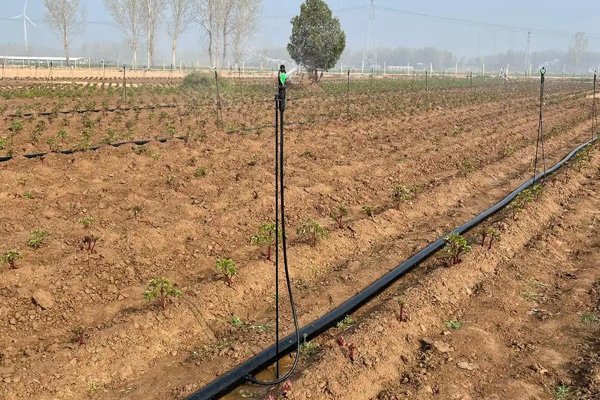
Installing butterfly stake rotating micro sprinklers is a straightforward process, primarily involving assembly, positioning, and final connection. Follow these steps for optimal performance: Understanding the importance of using the right equipment and techniques will ensure a successful installation and maximize irrigation efficiency. Properly installed butterfly stake rotating micro sprinklers can lead to better plant health and water conservation, making them an excellent investment for any gardener.
1. Assemble the Sprinkler Components
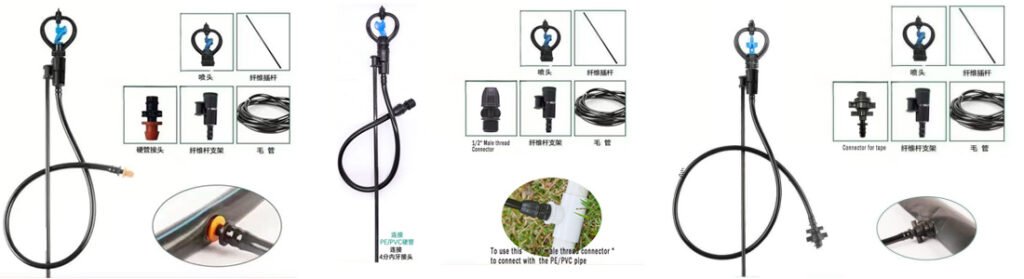
Connect the fiberglass stake (available in 1.0m/1.2m/1.5m lengths), micro tube (8*11mm), and connectors to the main body of the butterfly stake. Ensure all parts are securely fitted, as any loose connections can lead to inefficiency. For certain models, a diaphragm anti-drip valve should be installed to prevent leakage after water shut-off. Below are three different assembly types for choice: Make sure to inspect each component for wear and tear to avoid future issues. Proper assembly is crucial as it directly affects the performance of the sprinkler system. For example, ensure that the micro tube is cut to the appropriate length to minimize bends and kinks, which can obstruct water flow.
Why Choose Butterfly Stake Rotating Micro Sprinklers?
Butterfly stake rotating micro sprinklers offer efficient water distribution and adaptability for various garden types. Their design minimizes water waste while ensuring that plants receive the moisture they need.
When planning your garden layout, butterfly stake rotating micro sprinklers should be strategically positioned to optimize coverage.
2. Measure, Position, and Punch Holes
Plan the sprinkler layout based on your irrigation needs, typically with a spacing of 3-5 meters. Use a specialized hole puncher to create suitable holes. It’s crucial to consider factors such as the type of plants in your garden and their water requirements for effective irrigation. For instance, vegetable gardens may require more frequent watering than flower beds. Taking the time to create a detailed layout plan will help ensure that each area receives adequate water coverage. Also, marking the locations before punching holes can prevent mistakes and save time.
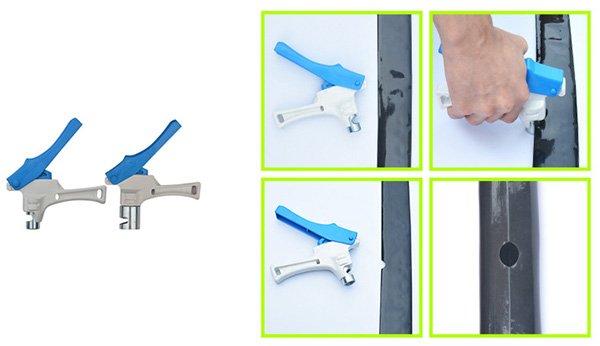
16mm flexible punch Holes
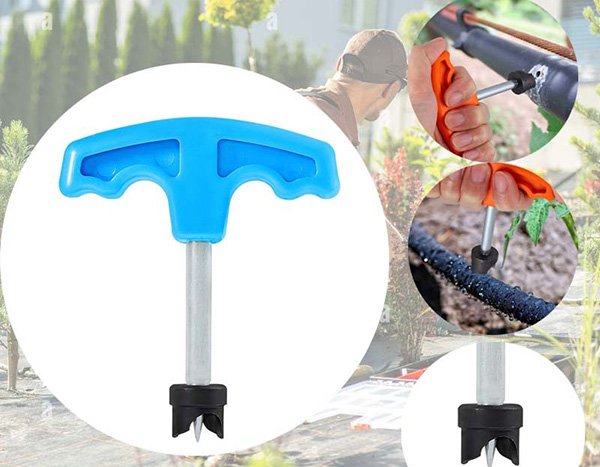
16mm Pipe punch Holes
3. Secure and Connect the Sprinkler
Insert the fully assembled sprinkler into the hole. Adjust it to a level position and firmly compact the soil around the stake to secure it. When connecting to the irrigation network, pay attention to the water flow direction to avoid reverse installation, which can cause clogging. It’s recommended to test the connection with water before finalizing the soil compaction to ensure proper alignment. Additionally, regularly checking the connections can help prevent leaks and ensure efficient water distribution. If you’re working with a larger system, consider implementing a pressure regulator to maintain even water flow across all sprinklers.
Each installation of butterfly stake rotating micro sprinklers should be optimized for the specific needs of the plants.
4. Verify Performance and Adjust
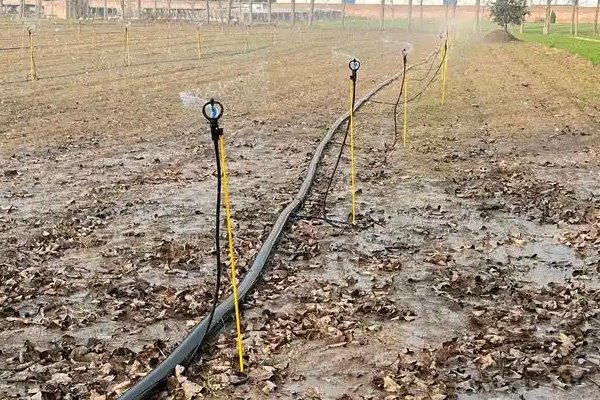
Once the water supply is activated, check that the sprinkler head rotates smoothly and the spray pattern adequately covers the target area. Make minor positional adjustments if necessary. Observing the sprinkler’s operation during peak sun hours can help identify any inconsistencies in water distribution. Documenting your observations can be beneficial for future reference and adjustments. If you notice any dry spots, try adjusting the angle or height of the sprinkler, as this can significantly impact performance. Additionally, consider the wind conditions, as they can also affect how water is delivered to your plants.
Using a 16mm flexible punch can make the task easier and more efficient. Ensure that you punch the holes at a consistent depth; this will help ensure that the sprinklers are set at the correct height for optimal performance. If you encounter hard soil, consider moistening the area beforehand to facilitate easier drilling.
Additionally, you may want to mark the locations before punching holes to ensure accuracy. Utilizing a garden layout plan can make this step easier and help visualize the entire irrigation system.
It is essential to ensure that butterfly stake rotating micro sprinklers are properly connected to the irrigation network to achieve the best results.
Regular testing of butterfly stake rotating micro sprinklers will help maintain their efficiency and performance.
When selecting the distance between your sprinklers, consider the coverage area of each sprinkler head to ensure that there are no dry spots in your garden.
Similarly, a 16mm pipe punch can be advantageous for creating holes in more rigid materials. Make sure to use appropriate safety equipment when operating these tools to avoid injury.
For optimal performance, consider adjusting the height of the sprinkler based on the surrounding vegetation. Taller plants may require higher placements to ensure complete coverage.
Additionally, keep an eye on the water pressure; too much pressure can cause misting, while too little can lead to insufficient coverage. Regular maintenance checks will prolong the life of your butterfly stake rotating micro sprinklers.
Additionally, you may want to mark the locations before punching holes to ensure accuracy. Utilizing a garden layout plan can make this step easier and help visualize the entire irrigation system. Using colored flags or stakes can assist in marking positions clearly, allowing for precise hole punching and installation. This upfront planning can save time and resources down the line.
When selecting the distance between your sprinklers, consider the coverage area of each sprinkler head to ensure that there are no dry spots in your garden. A common practice is to overlap the spray patterns slightly to ensure complete coverage and prevent water waste. If uncertain, it may be helpful to run a water test to visually assess the coverage area.
For optimal performance, consider adjusting the height of the sprinkler based on the surrounding vegetation. Taller plants may require higher placements to ensure complete coverage. Furthermore, the angle of the sprinkler should be directed toward areas that may need more water, such as sloped regions that might drain away moisture more rapidly.
Additionally, keep an eye on the water pressure; too much pressure can cause misting, while too little can lead to insufficient coverage. Regular maintenance checks will prolong the life of your butterfly stake rotating micro sprinklers. This includes cleaning the sprinkler heads to prevent blockages and adjusting the system as needed during different seasons. Keeping a maintenance log can help track any adjustments made and the outcomes observed.
Investing in quality butterfly stake rotating micro sprinklers can significantly enhance your garden’s irrigation setup.
Be sure to incorporate butterfly stake rotating micro sprinklers into your irrigation planning for maximum efficiency.
With proper maintenance, butterfly stake rotating micro sprinklers can provide reliable irrigation for years to come.
Consider how butterfly stake rotating micro sprinklers can improve water efficiency in your gardening efforts.
By utilizing butterfly stake rotating micro sprinklers, you can optimize water usage while ensuring lush garden growth.
Understanding the mechanics of butterfly stake rotating micro sprinklers will enhance your gardening knowledge.