Contact HighSight Team


You will get reply within 48 hours.
Your email ID will not be used for any other purpose.
Your email ID will not be used for any other purpose.
You can email us directly. Our email address: elaine@chinahighsight.com

Introduction
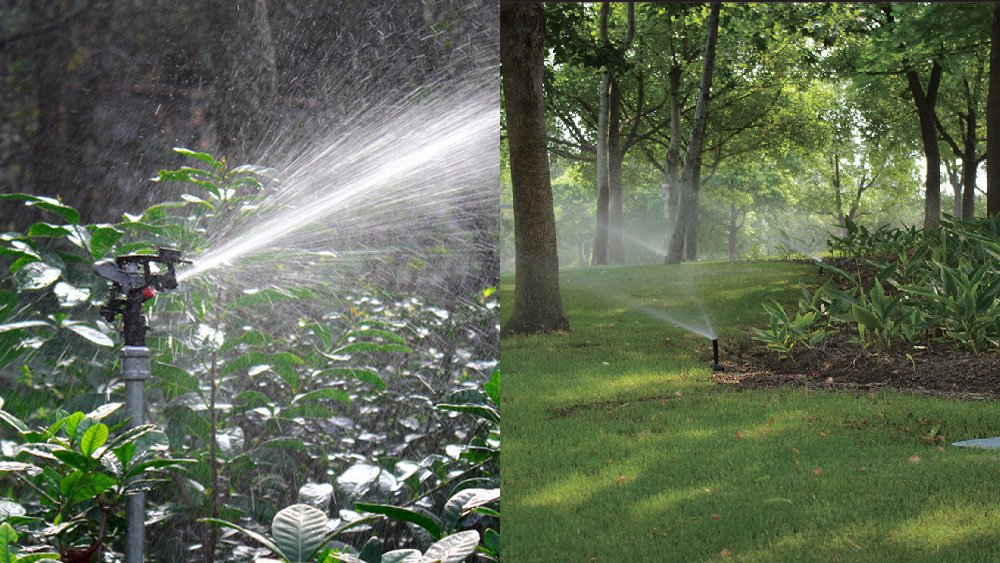
When it comes to efficient and cost-effective irrigation, plastic sprinkler heads are the unsung heroes of lawns, gardens, and small to medium-scale agricultural systems. Offering a lightweight, corrosion-proof, and budget-friendly alternative to metal counterparts, they provide reliable performance for a wide range of watering needs. This guide explores everything you need to know about plastic irrigation sprinkler heads.
Plastic irrigation sprinkler systems enhance watering efficiency and are a great choice for modern gardens.
These plastic irrigation sprinkler heads are designed for versatility in various landscapes.
Plastic sprinkler heads are watering devices manufactured from engineered polymers like ABS (Acrylonitrile Butadiene Styrene), PP (Polypropylene), or POM (polyformaldehyde) . Designed to distribute water in specific patterns—such as full circles, partial arcs, or mist sprays—they are integral components of drip systems, pop-up sprinkler systems, and handheld watering tools.
Key Benefits: Why Choose Plastic Sprinkler Heads?
1.Lightweight & Easy to Install
Significantly lighter than metal heads, making them effortless to handle, install, and adjust.Ideal for DIY irrigation projects and quick system modifications.
2.Excellent Corrosion & Chemical Resistance
Impervious to rust and highly resistant to fertilizers and common water treatments.Perfect for areas with hard water or where soil chemicals are present.
3.Cost-Effective Solution
Provide the most affordable entry point into automated irrigation.Lower replacement costs, making them ideal for large-scale installations with many heads.
This durability ensures that plastic irrigation sprinkler heads can handle various environmental conditions.
4.Durability & Impact Resistance
Modern engineering plastics are UV-stabilized to withstand sunlight degradation.Flexible design helps absorb minor impacts from lawnmowers or foot traffic without breaking.
5.Versatility in Design & Function
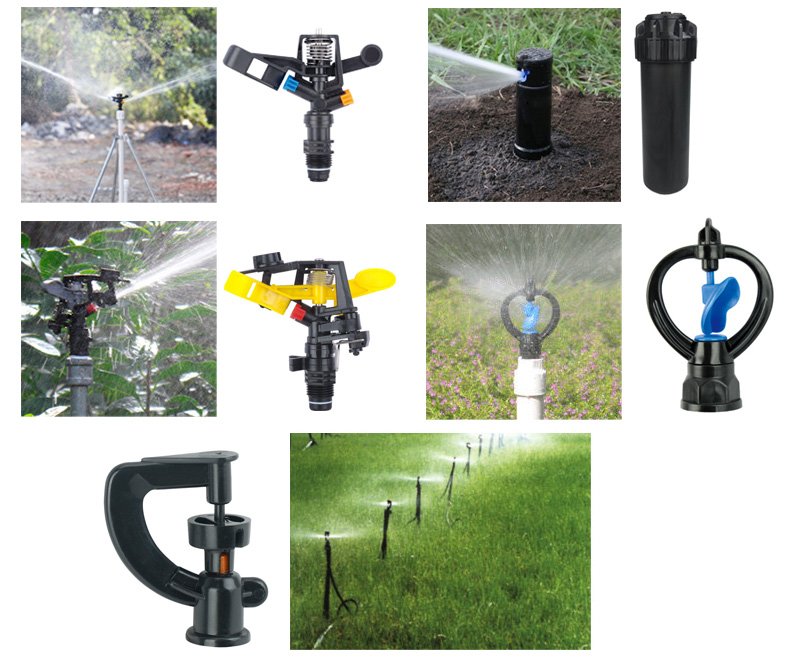
Available in numerous spray patterns, ranges, and flow rates.Common types include:
Micro sprinklers: Fixed spray patterns for small, precise areas.
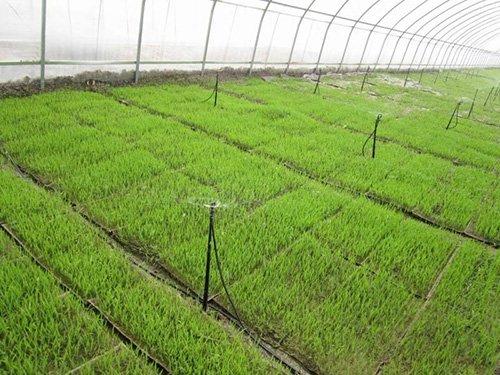
Rotating sprinklers: Gear-driven or impact-driven for larger lawns.
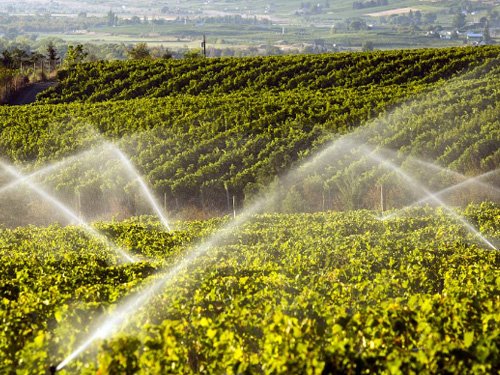
With advancements in technology, plastic irrigation sprinkler efficiency is at an all-time high.
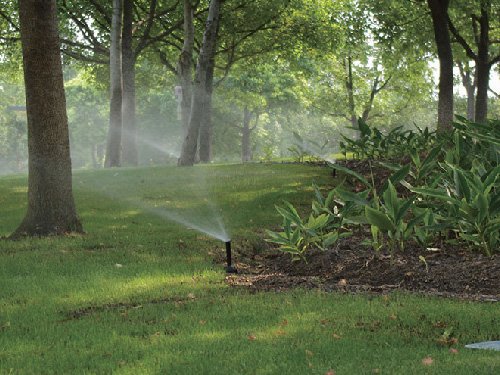
Pop-Up sprinklers: Retract into the ground when not in use for a clean landscape look.
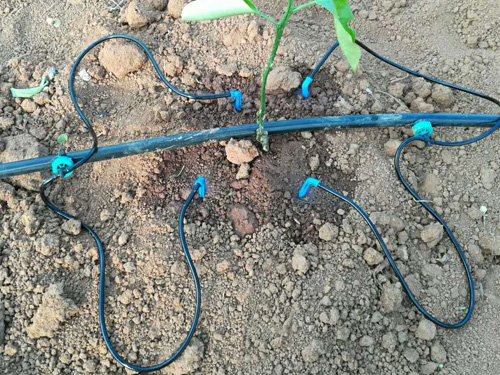
Soaker & Drip Emitters: For root-zone watering in garden beds.
Using plastic irrigation sprinkler systems can significantly reduce water usage.
Many farmers are transitioning to plastic irrigation sprinkler solutions for better water management.
Ideal Applications for Plastic Sprinkler Heads
Residential Lawns & Gardens: The standard choice for home automatic sprinkler systems.
Choosing the appropriate plastic irrigation sprinkler for your property is essential for optimal performance.
Landscaping & Parks: Reliable for watering flower beds, shrubs, and public green spaces.
Plastic irrigation sprinkler heads come in various models to suit different needs.
Regular maintenance of plastic irrigation sprinkler heads extends their lifespan significantly.
Investing in a reliable plastic irrigation sprinkler system can enhance crop yields.
Greenhouses & Nurseries: Mist sprays and drip emitters create ideal humid environments for seedlings.
Small-Scale Agricultural Plots: Efficient for row crops, vegetable gardens, and orchards with low-pressure systems.
Container & Patio Gardening: Micro sprinkler and drip arrow are perfect for pots and raised beds.
Choosing the Right Plastic Sprinkler Head: A Quick Guide
Understanding the functionality of your plastic irrigation sprinkler will help optimize its use.
| Factor | What to Consider | Example/Recommendation |
| Spray Pattern | Area shape and size. | Full Circle (360°): Central lawns. Partial Arc (90°-270°): Borders, corners. |
| Spray Range & Flow | Water pressure (PSI) and coverage distance. | Check specs: e.g., 15 ft radius at 30 PSI. Low-pressure models for water conservation. |
| Pop-Up Height | Grass or plant height. | 2-3 inch: Short grass. 4-6 inch: Tall grass or ground cover. |
| Material Quality | Durability and UV resistance. | Look for UV-stabilized or “commercial-grade” polymers for longer life. |
| Adjustability | Need for fine-tuning. | Choose heads with adjustable arc, radius, and flow for precise watering. |
Plastic vs. Metal Sprinkler Heads: Key Comparison
| Feature | Plastic Sprinkler Heads | Metal (Brass/Zinc) Sprinkler Heads |
| Cost | Lower initial and replacement cost. | Higher cost. |
| Weight | Very light, easy to install. | Heavier, more robust feel. |
| Corrosion | Immune to rust. | Can corrode (except stainless steel). |
| Durability | Good; can crack in extreme cold or under severe impact. | Excellent; withstands harsh physical |
| UV | Good (if UV-stabilized). | Inherently excellent. |
| Best For | Most residential, light commercial, and DIY projects. | High-traffic areas, sports fields, high-vandalism zones, professional turf farms. |
Installation Tips & Maintenance
·Proper Flushing: Flush the lateral lines before attaching sprinkler heads.
·Winterization: In freezing climates, drain systems or use compressed air to blow out water to prevent cracking.
·Regular Cleaning: Periodically remove heads and rinse filters to maintain consistent spray patterns.
·Adjust Post-Installation: Fine-tune the spray after the system is running to avoid dry spots or overspray.
Frequently Asked Questions (FAQ)
Q: How long do plastic sprinkler heads typically last?
A: With proper maintenance and UV-protected materials, they can last 5 years around in typical residential use.
Q: Can they handle hot water or chemicals?
A: Standard heads are for cold water. For hot water or specific chemicals, verify the plastic type (e.g., PP or PVC may be suitable).
Q: Are they prone to cracking in winter?
A: If water remains inside and freezes, yes. Proper winterization is crucial in cold climates.
Q: Can I mix plastic and metal heads in one system?
A: Yes, but ensure pressure and flow requirements are compatible. Use dielectric unions if connecting dissimilar metals to plastic pipes to prevent galvanic corrosion.
Conclusion
Plastic irrigation sprinkler heads offer an unbeatable combination of affordability, ease of use, and sufficient durability for the vast majority of watering applications. By selecting the correct type, pattern, and quality for your specific needs, you can build an efficient and reliable irrigation system that keeps your landscape thriving while conserving water and saving money.