Introduction to Adjustable Flow Drippers
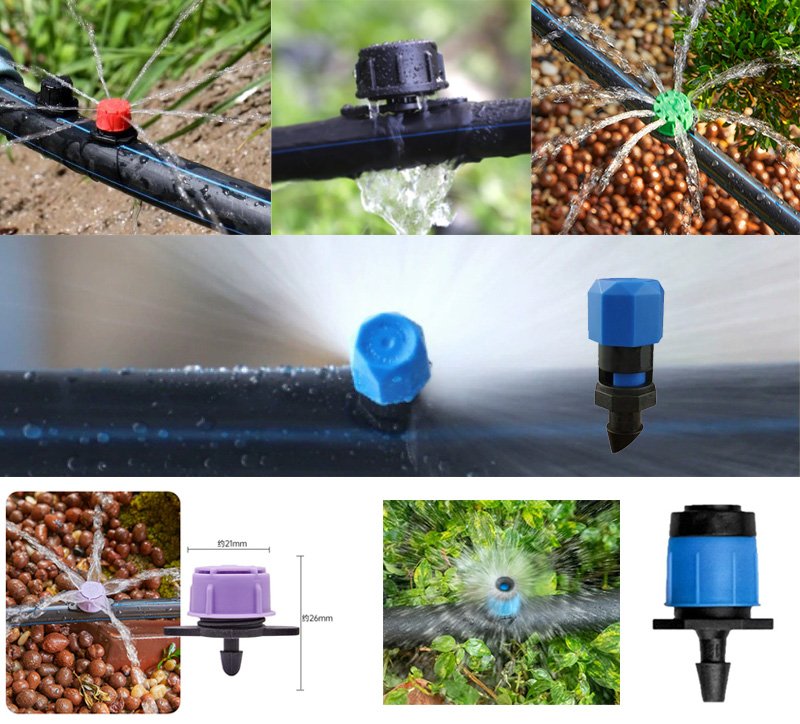
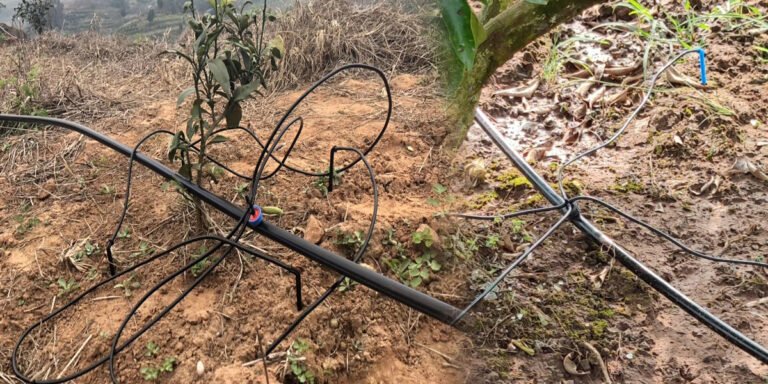
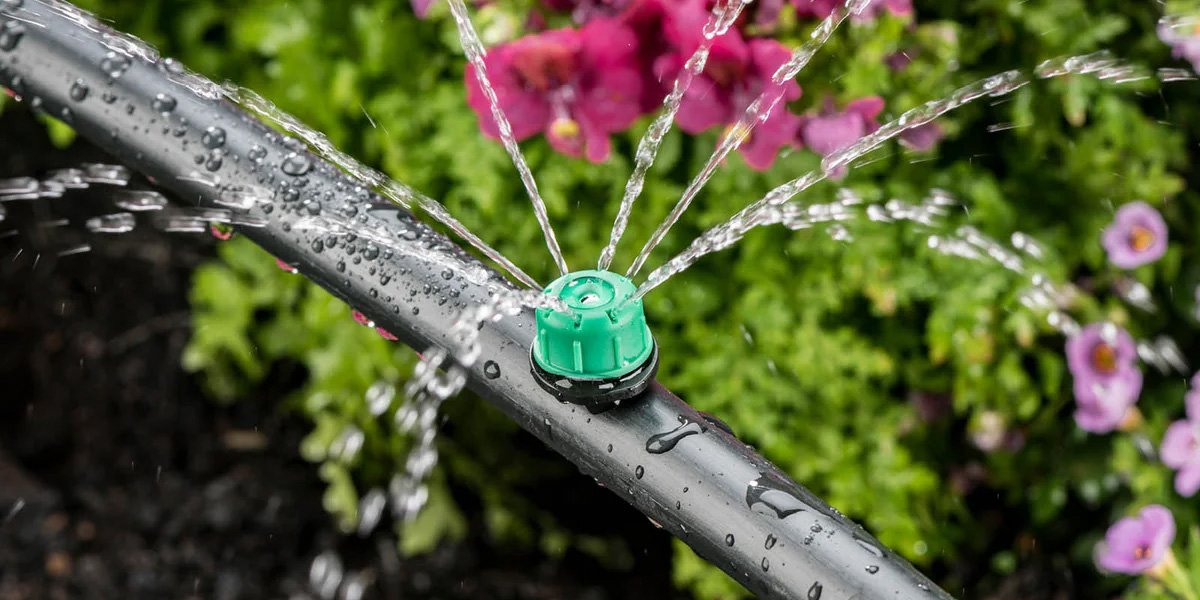
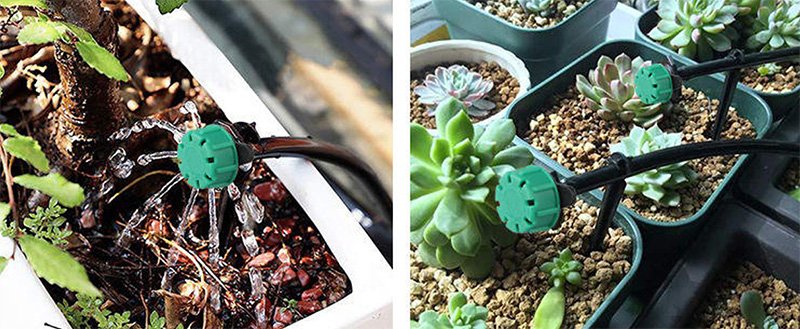
Adjustable flow drippers represent a significant advancement in precision irrigation technology, allowing users to customize water delivery based on specific plant needs. These versatile irrigation components enable gardeners, farmers, and landscapers to optimize water usage while ensuring each plant receives exactly the right amount of moisture.
How Adjustable Flow Drippers Work
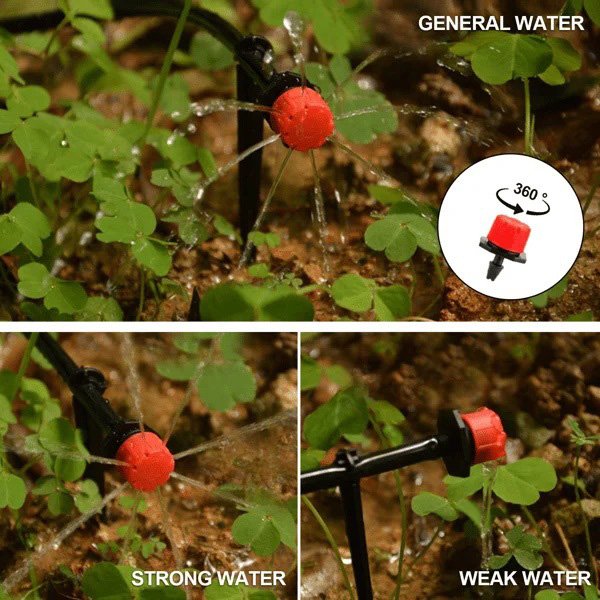
Unlike fixed-flow emitters, adjustable drippers feature a mechanism—typically a screw, dial, or knob—that allows users to regulate water output. This adjustment capability enables flow rates ranging from a gentle trickle (0-10 gallons per hour) to more substantial delivery (up to 20 GPH or more), depending on the model.
Key Components:
Adjustment mechanism: Screw, dial, or sliding control
Diaphragm or pressure-compensating element: Maintains consistent flow despite pressure fluctuations
Filtering inlet: Prevents clogging from debris
Outlet: Delivers water directly to the root zone
Benefits of Using Adjustable Flow Drippers
1. Precision Watering
Tailor water delivery to each plant’s specific requirements, accommodating different species, growth stages, and container sizes within the same irrigation zone.
2. Water Conservation
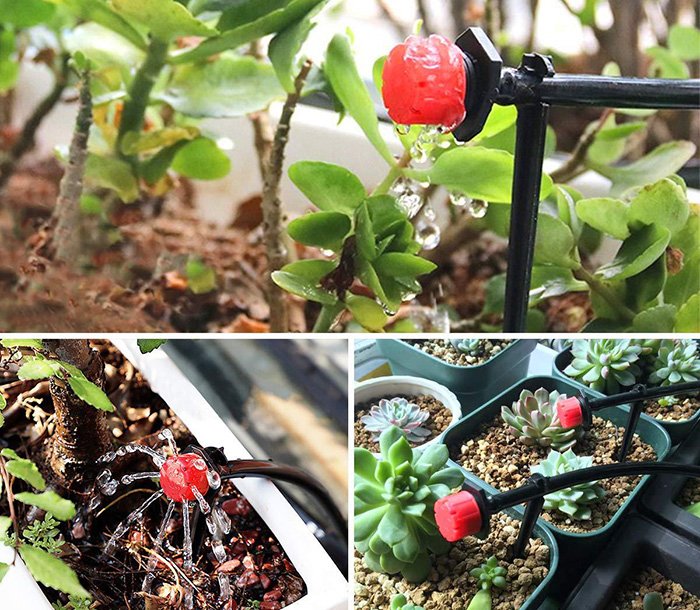
Reduce water waste by delivering only what plants need, with studies showing up to 50% water savings compared to traditional irrigation methods.
3. Versatility and Flexibility
Use the same dripper for various applications by simply adjusting the flow rate—from delicate seedlings to established shrubs.
4. Pressure Compensation
Many adjustable drippers maintain consistent output despite elevation changes or pressure variations in the system, ensuring uniform irrigation across the entire zone.
5. Easy Maintenance and Adjustment
Change flow rates seasonally or as plants mature without replacing components, saving time and money.
Types of Adjustable Flow Drippers
Screw-Adjustable Drippers
Most common type featuring a screw mechanism for fine-tuning flow rates. Ideal for precise control in garden beds and containers.
Dial-Adjustable Drippers
User-friendly dial settings with pre-marked flow rates for quick adjustments without tools.
Pressure-Compensating Adjustable Drippers
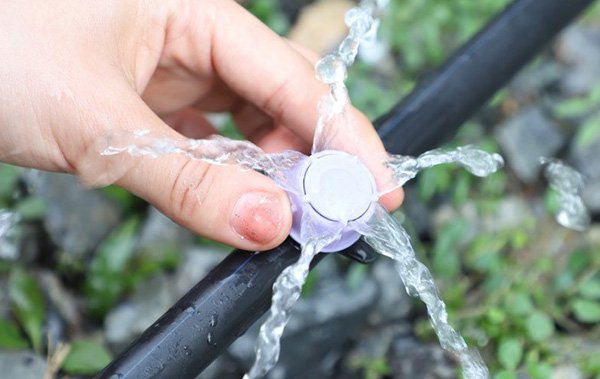
Maintain consistent output (typically 0-10 GPH) regardless of pressure fluctuations, perfect for sloped landscapes.
Flag-Style Adjustable Drippers
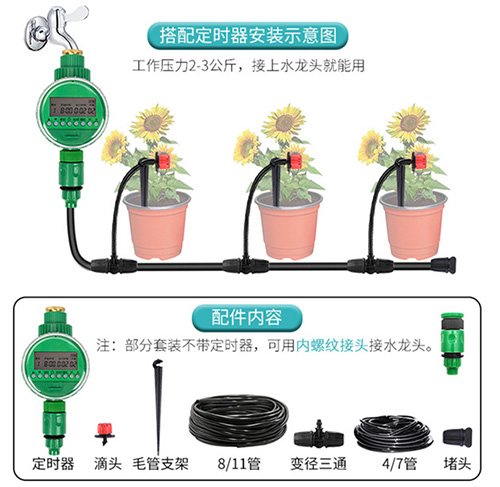
Compact, stake-mounted drippers ideal for container gardens and raised beds.
Inline Adjustable Drippers
Integrated into drip tubing for creating custom-spaced irrigation lines with variable flow rates.
Applications and Ideal Use Cases
Home Gardens and Landscaping
Customize irrigation for mixed planting beds
Accommodate varying plant water needs in ornamental gardens
Adjust for seasonal changes in water requirements
Container Gardening
Perfect for pots, planters, and window boxes of different sizes Adapt flow as plants grow and root systems expand
Vegetable Gardens
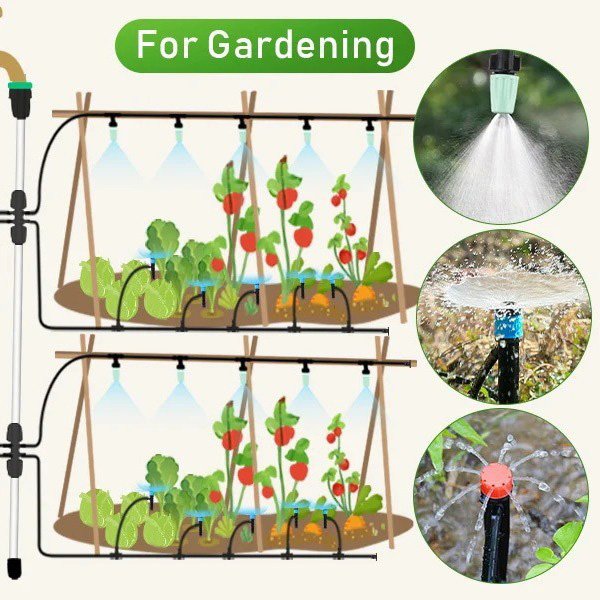
Provide different amounts of water to various crops (tomatoes vs. lettuce)
Adjust for different growth stages from seedling to maturity
Orchards and Vineyards
Tailor irrigation to individual tree or vine size and age
Accommodate different soil conditions across planting areas
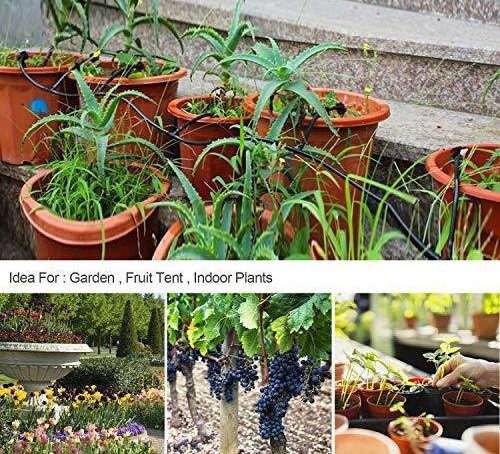
Greenhouses and Nurseries
Precise control for various plant species and container sizes
Adapt easily to changing crop rotations
Installation and Setup Guide
Planning Your System
Map your irrigation zone: Identify plants with similar water needs
Calculate flow requirements: Determine each plant’s needs based on type, size, and climate
Choose dripper type: Select based on your specific application and control preferences
Plan your layout: Ensure proper spacing and grouping of plants with similar needs
Installation Steps
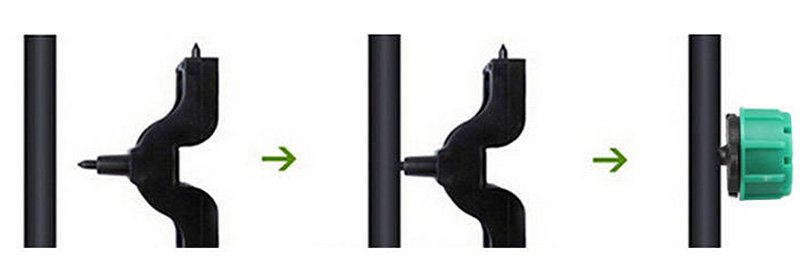
Prepare mainline: Lay out polyethylene tubing or PVC pipe as your distribution line
Puncture tubing: Use a hole punch at each dripper location
Insert barbed connectors: Secure connection points
Attach adjustable drippers: Push onto barbed fittings until snug
Add distribution tubing: For plants located away from mainline
Position drippers: Place near plant root zones
Test and adjust: Run system and fine-tune flow rates for each plant
Optimization and Maintenance
Seasonal Adjustments
Spring: Lower flow for new plantings and seedlings
Summer: Increase flow during peak growth and hot weather
Fall: Gradually reduce flow as plants prepare for dormancy
Winter: Minimal watering for dormant plants in frost-free climates
Regular Maintenance Tasks
Monthly inspections: Check for clogs, leaks, or damage
Flush system quarterly: Clear debris from lines and emitters
Clean dripper filters: Remove and rinse filters during seasonal changes
Verify adjustments: Ensure drippers maintain their set flow rates
Winterization: In cold climates, drain and store system components
Troubleshooting Common Issues
Uneven watering: Check for pressure problems or clogged filters
Low flow: Inspect for debris, kinked tubing, or inadequate pressure
Leaking connections: Replace worn barbed fittings or tubing
Clogged drippers: Soak in vinegar solution to dissolve mineral deposits
Water Efficiency and Environmental Impact
Adjustable flow drippers contribute significantly to sustainable water management:
Conservation Benefits
Reduce runoff and evaporation losses
Minimize deep percolation beyond root zones
Lower overall water consumption by 30-50%
Environmental Advantages
Decrease energy use for water pumping and treatment
Reduce fertilizer leaching into groundwater
Support healthier plants with less water waste
Advanced Tips for Professionals
Zoning Strategies
Group plants by water needs rather than species alone
Consider microclimates within your landscape
Account for soil type variations in different areas
Integration with Smart Controllers
Pair adjustable drippers with weather-based irrigation controllers
Use soil moisture sensors to automate adjustments
Implement flow sensors to detect leaks or breaks
Commercial Applications
Use pressure-compensating models for large-scale installations
Implement regular monitoring and adjustment schedules
Consider dual-line systems for plants with vastly different water needs
Future Trends in Adjustable Drip Technology
Smart Drippers
Bluetooth or Wi-Fi enabled for remote adjustment
Integration with garden monitoring systems
Automated flow adjustment based on real-time data
Self-Regulating Systems
Drippers that automatically adjust based on soil moisture
Temperature-responsive flow control
Plant stress-detection technology
Improved Materials
UV-resistant and longer-lasting components
Biodegradable options for temporary installations
Advanced anti-clogging designs
Conclusion
Adjustable flow drippers offer unparalleled control and efficiency in irrigation systems, providing the flexibility to meet diverse watering needs while conserving precious water resources. Whether you’re maintaining a small home garden or managing extensive agricultural plantings, these versatile tools allow for precision irrigation that promotes plant health while minimizing environmental impact.
By selecting the right type of adjustable dripper for your application, installing it properly, and maintaining it regularly, you can create an irrigation system that adapts to your landscape’s changing needs season after season. As water conservation becomes increasingly important worldwide, adjustable flow drippers represent both a practical and responsible choice for modern irrigation.