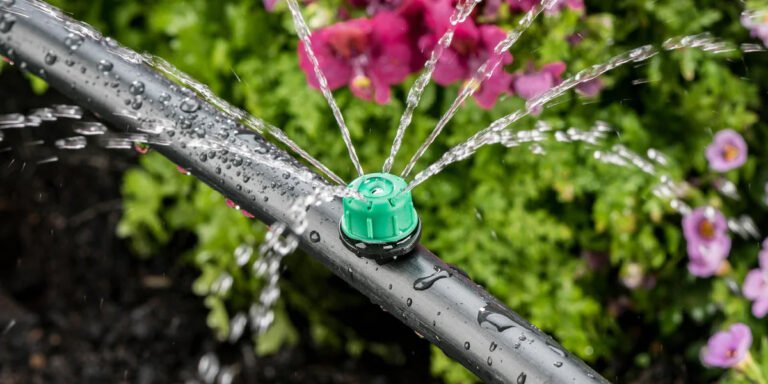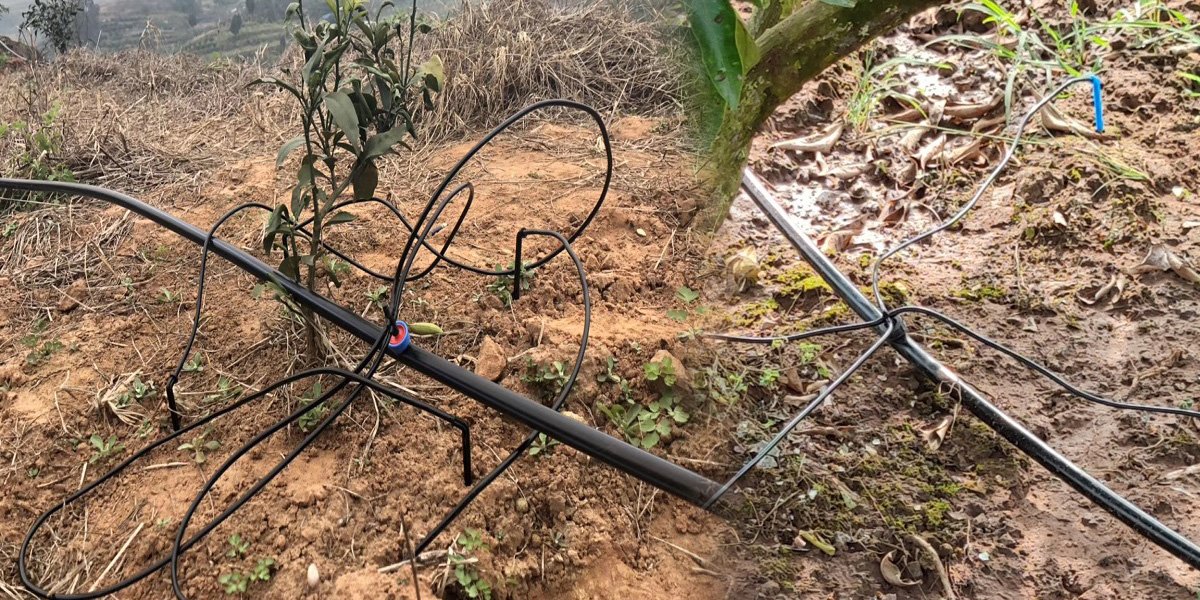
Introduction to Pressure Compensating Drip Emitters
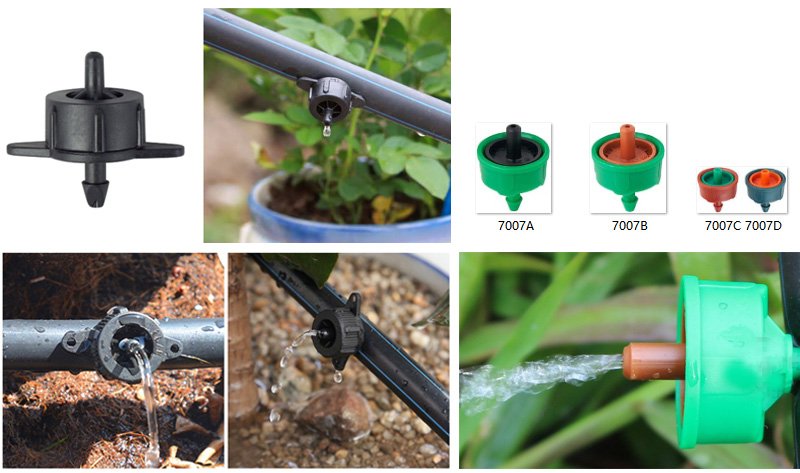
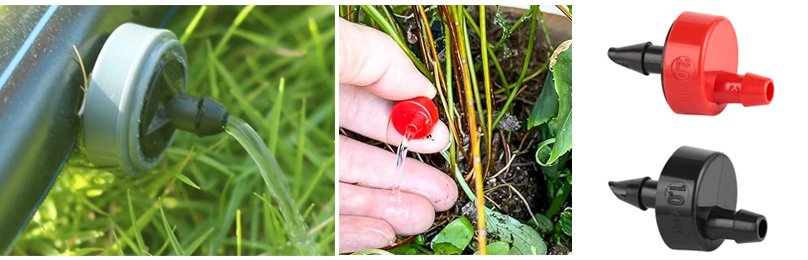
In the world of modern irrigation, pressure compensating drippers represent a significant advancement in water efficiency and plant health. These specialized emitters maintain a constant flow rate regardless of pressure fluctuations within your irrigation system, ensuring uniform water distribution across varied terrain and complex layouts. For farmers, landscapers, and gardening enthusiasts seeking optimal irrigation performance, understanding pressure compensating technology is essential for maximizing crop yields, maintaining beautiful landscapes, and conserving precious water resources.
How Pressure Compensating Drippers Work: The Technology Explained
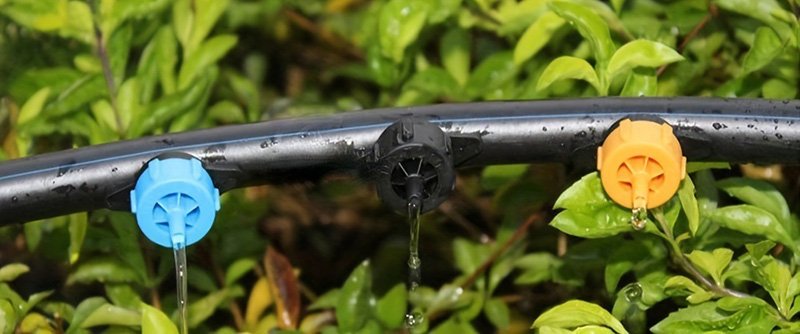
Pressure compensating emitters contain a flexible diaphragm or membrane that automatically adjusts the flow path in response to pressure changes. When system pressure increases, the diaphragm restricts the flow passage. Conversely, when pressure decreases, the diaphragm opens to allow more flow. This self-regulating mechanism ensures that each emitter delivers a consistent, predetermined flow rate—typically ranging from 0.5 to 4 gallons per hour (GPH)—whether it’s at the beginning of the line where pressure is highest or at the end where pressure is lowest.
Key technological features include:
·Flexible silicone diaphragms that respond to pressure variations
·Labyrinth flow paths that regulate water passage
·Self-cleaning mechanisms that minimize clogging
·Wide pressure operating ranges (typically 10-60 PSI)
Key Benefits of Pressure Compensating Irrigation Technology
1. Uniform Water Distribution
Unlike conventional drippers whose flow rates increase with higher pressure and decrease with lower pressure, PC drippers deliver consistent output. This ensures every plant receives precisely the same amount of water and nutrients, promoting uniform growth and health across your entire field or landscape.
2. Excellent Performance on Slopes and Uneven Terrain
Pressure naturally varies with elevation changes. PC emitters compensate for these variations, making them ideal for hilly vineyards, terraced gardens, and landscapes with significant elevation changes where consistent irrigation would otherwise be challenging.
3. Extended Lateral Run Capabilities
Because flow remains constant regardless of pressure loss along the line, you can use longer lateral lines (up to 1,000 feet or more in some systems) without experiencing the typical drop-off in emitter performance at the end of the line.
4. Reduced System Design Complexity
Designing irrigation systems becomes more straightforward when you don’t need to account for precise pressure balancing through pipe sizing, pressure regulators, and complex zoning. PC technology simplifies layout planning while improving results.
5. Enhanced Water and Energy Efficiency
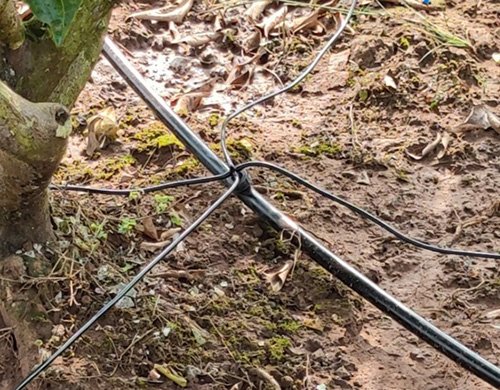
By eliminating over-watering in high-pressure zones and under-watering in low-pressure areas, PC drippers typically reduce water usage by 15-30% compared to non-compensating systems. This efficiency translates to lower pumping costs and reduced energy consumption.
6. Improved Fertilizer Distribution
When used with fertigation systems, PC emitters ensure uniform chemical application, preventing nutrient hotspots and deficiencies that can occur with variable flow rates.
Applications Where Pressure Compensating Drippers Excel
Agricultural Applications
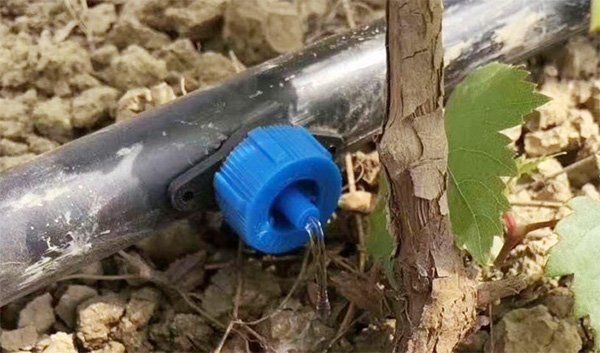
Vineyards and Orchards: Particularly valuable on sloped terrain where gravity affects pressure
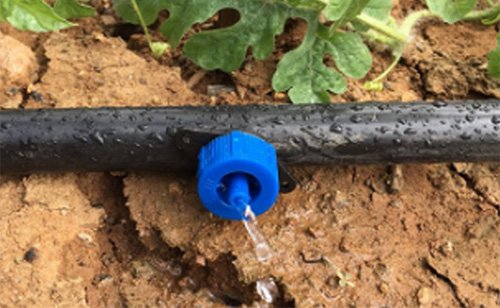
Row Crops: Vegetables, berries, and field crops benefit from uniform moisture
Greenhouse Production: Precise irrigation is crucial in controlled environments
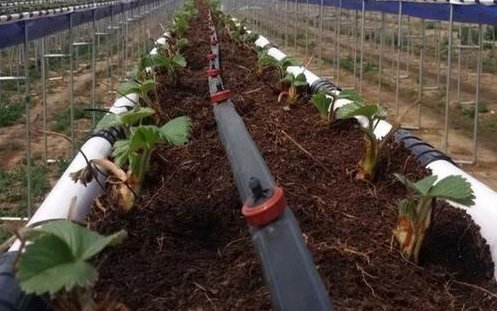
Nursery Operations: Container plants require consistent watering for uniform growth
Landscape and Commercial Applications
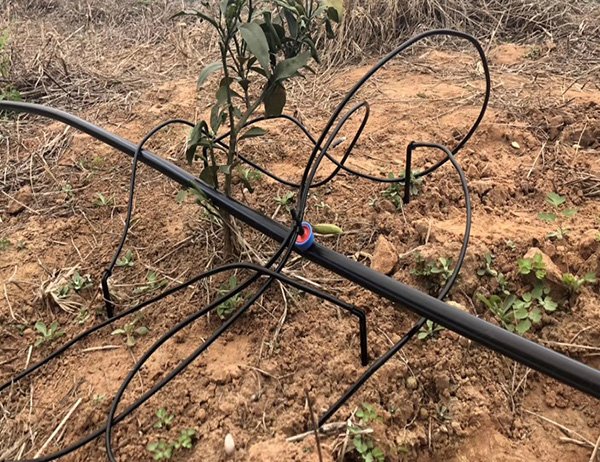
·Sloped or Terraced Landscapes: Residential and commercial properties with elevation changes
·Long, Narrow Planting Beds: Parks, roadways, and median strips
·Roof Gardens and Green Walls: Where pressure variations are significant
·Golf Courses: Particularly on sloped fairways and greens
Selecting the Right Pressure Compensating Dripper: Key Considerations
Flow Rate Requirements
Match emitter GPH to your specific plants’ needs:
Low-flow (0.5-1 GPH): Ideal for potted plants, closely spaced vegetables
Medium-flow (1-2 GPH): General landscape planting, most row crops
High-flow (2-4 GPH): Trees, shrubs, widely spaced plants
Pressure Range
Ensure emitters match your system’s operating pressure:
·Standard range: 15-45 PSI (covers most applications)
·Extended range: 10-60 PSI (for systems with wider pressure fluctuations)
Clogging Resistance
Look for features that minimize clogging:
·Self-cleaning diaphragms that flush with pressure surges
·Wide flow passages that resist sediment buildup
·Filter-integrated models for particularly dirty water sources
Installation Type
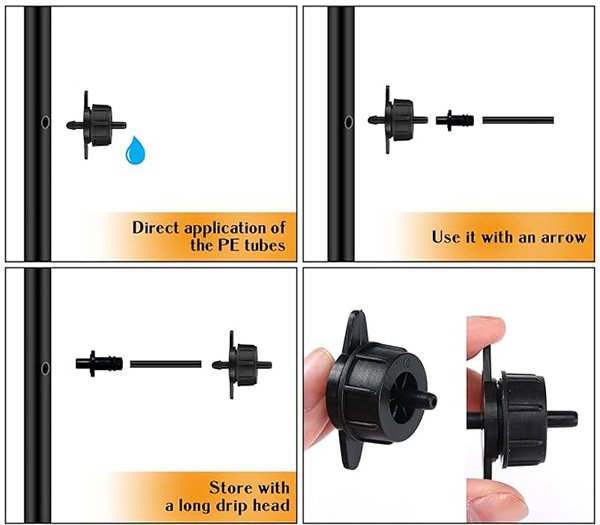
·Inline emitters: Built directly into drip tubing during manufacturing
·Online emitters: Punched into poly tubing at installation
·Adjustable PC emitters: Allow flow rate adjustment while maintaining pressure compensation
Design and Installation Best Practices
System Design Tips
Zone Appropriately: Group plants with similar water requirements together
Consider Flow Capacity: Ensure your water source can supply the total GPH of all emitters
Maintain Minimum Pressure: Even PC emitters require minimum pressure (typically 10-15 PSI) to function properly
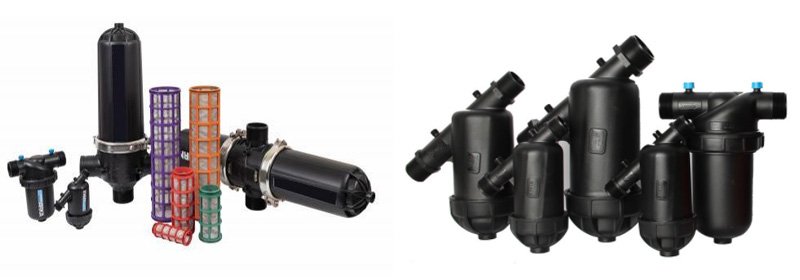
Include Filtration: Always install at least 200-mesh filters to protect emitters from clogging
Installation Guidelines
Flush Lines First: Before installing online emitters, flush tubing to remove manufacturing debris
Proper Punching: Use the correct hole punch size to ensure tight emitter seals
Secure Connections: Use goof plugs to repair any accidental holes
Pressure Test: Check for leaks and verify pressure within operating range before final burial or covering
Maintenance Requirements
Regular Flushing: Flush lines seasonally or as needed based on water quality
Visual Inspection: Check for damaged emitters, leaks, or unusual wet spots
Pressure Monitoring: Periodically verify system pressure with a gauge
Filter Maintenance: Clean or replace filters according to manufacturer recommendations
Troubleshooting Common Issues
Uneven Water Distribution
·Possible Cause: Mixed emitter types (PC and non-PC) in same zone
·Solution: Standardize on one emitter type per zone
Emitter Clogging
·Possible Cause: Inadequate filtration or mineral buildup
·Solution: Install proper filtration, use acid treatment for mineral deposits
Reduced Flow at All Emitters
·Possible Cause: Mainline pressure below minimum operating threshold
·Solution: Check pump performance, clean filters, check for mainline leaks
Leaking Emitters
·Possible Cause: Damaged diaphragm or improper installation
· Solution: Replace damaged emitters, ensure proper hole punching technique
The Future of Pressure Compensating Technology
Innovation continues to advance PC emitter technology:
·Smart PC Emitters: With integrated sensors for flow monitoring
·Multi-outlet PC Devices: Single body emitters serving multiple plants
·Biodegradable Options: Environmentally friendly materials for temporary installations
·Variable Rate PC Emitters: Allow seasonal flow adjustment while maintaining compensation
Conclusion: Investing in Precision Irrigation
Pressure compensating drip emitters represent one of the most significant advances in irrigation technology, transforming how we deliver water to plants. By ensuring uniform distribution regardless of terrain or system pressure variations, PC technology helps maximize plant health while minimizing water waste. Whether you’re irrigating a small garden or a large agricultural operation, incorporating pressure compensating drippers can lead to more predictable results, reduced resource consumption, and ultimately, better returns on your irrigation investment.
For optimal results, always select quality emitters from reputable manufacturers, design your system appropriately for your specific conditions, and maintain your system regularly. With proper implementation, pressure compensating technology can provide years of reliable, efficient irrigation performance.