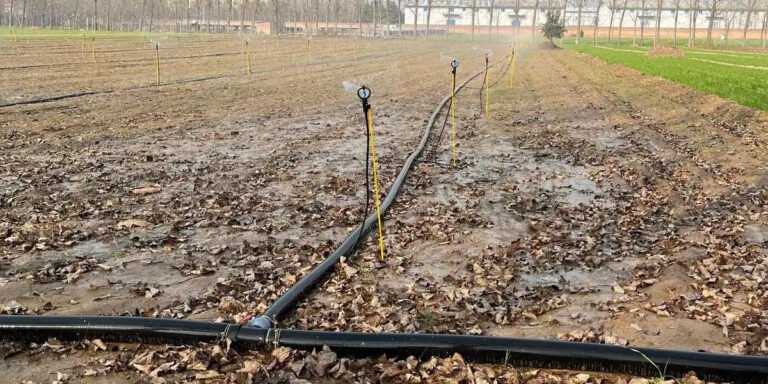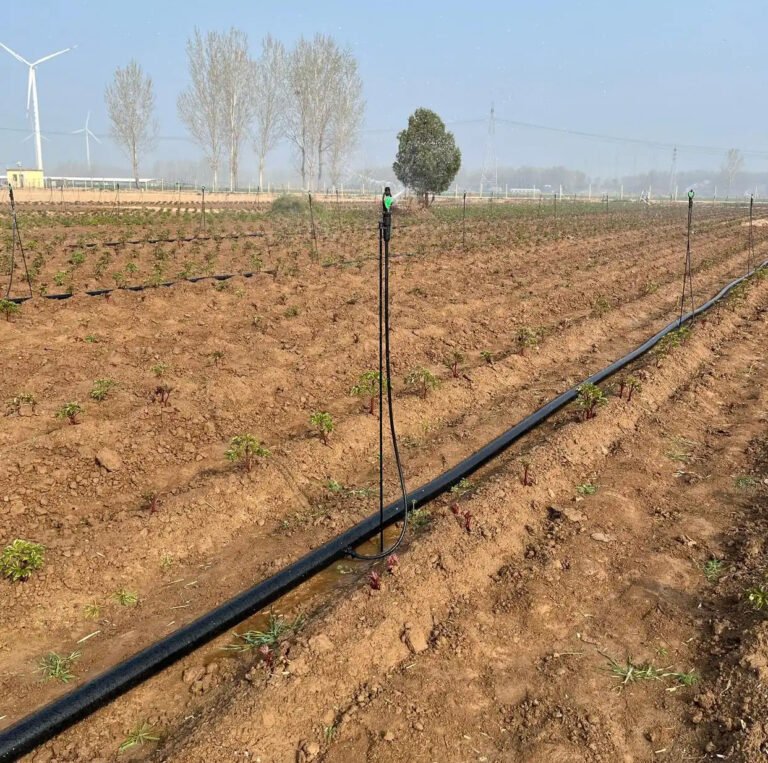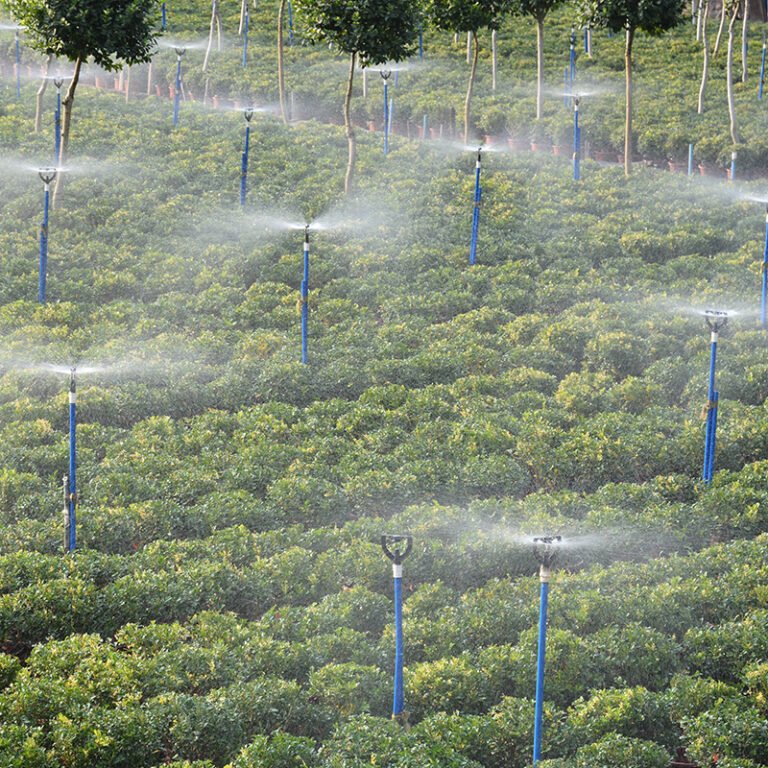
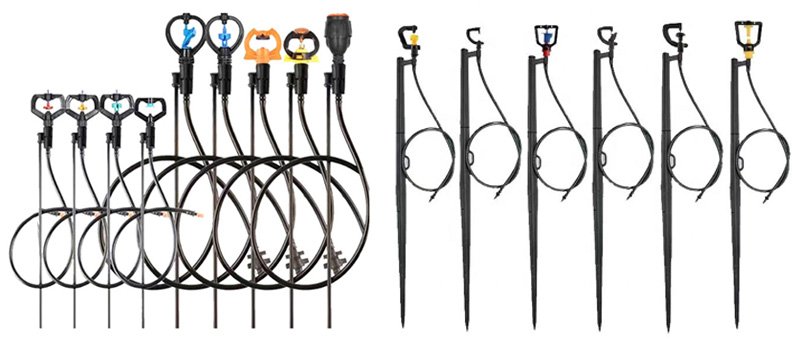
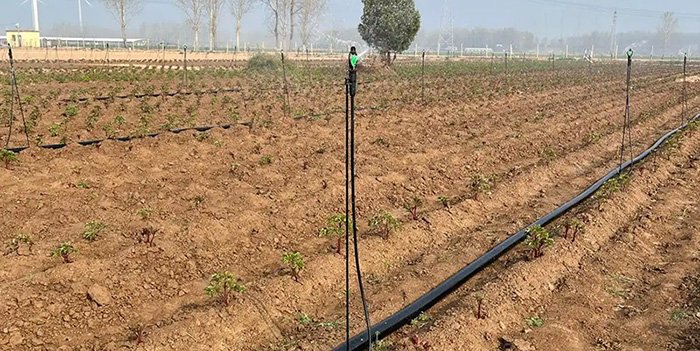
Plastic stake rotating micro sprinklers are versatile irrigation tools suitable for various agricultural and horticultural applications. Their adjustable height, gentle rotation, and precise water distribution make them ideal for crops requiring controlled, uniform moisture without soil erosion or leaf damage.
Ideal Crop Categories
1.Orchard & Vineyard Crops
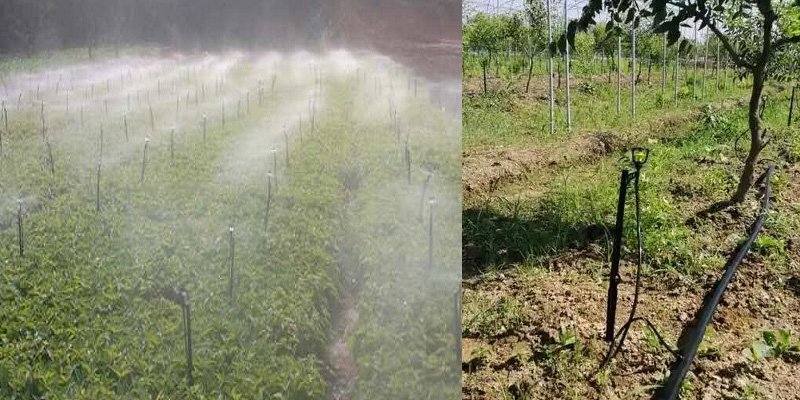
Citrus Trees (Oranges, Lemons, Limes): Low-pressure rotation prevents fruit knock-off while ensuring root zone hydration.
Stone Fruits (Peaches, Plums, Cherries): Gentle spray minimizes fungal disease risks on foliage.
Grapes: Particularly effective in young vineyards for establishing root systems.
Avocados & Mangoes: Suitable for mature tree under-canopy irrigation in subtropical climates.
2.Vegetable & Row Crops
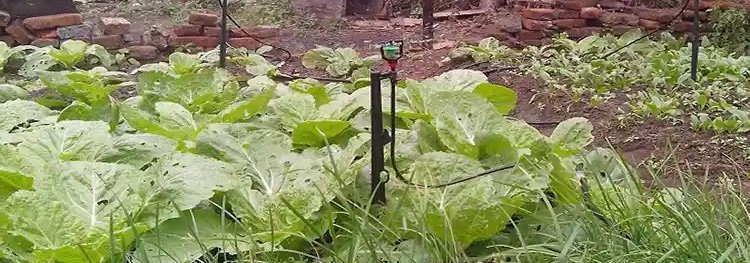
Tomatoes, Peppers, Eggplants: Stake height adjusts for both seedling and mature plant stages.
Strawberries: Elevated installation avoids fruit contact with water, reducing rot.
Leafy Greens (Lettuce, Spinach, Kale): Uniform coverage promotes consistent growth without soil compaction.
Cole Crops (Broccoli, Cauliflower, Cabbage): 3-4 meter spacing provides optimal head development moisture.
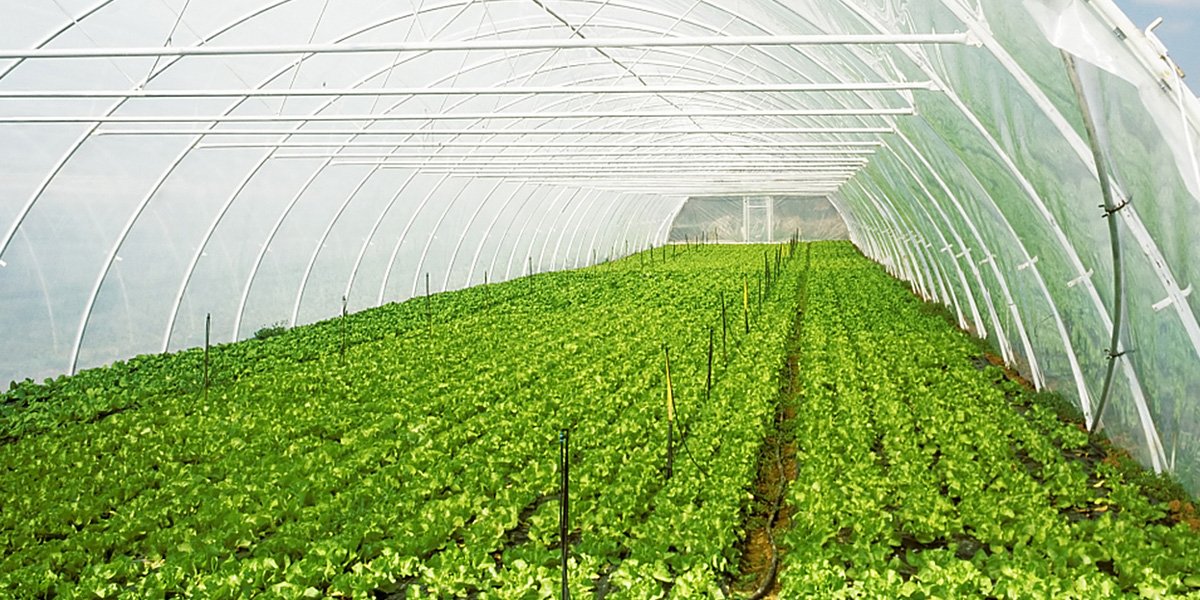
3.Nursery & Greenhouse Production
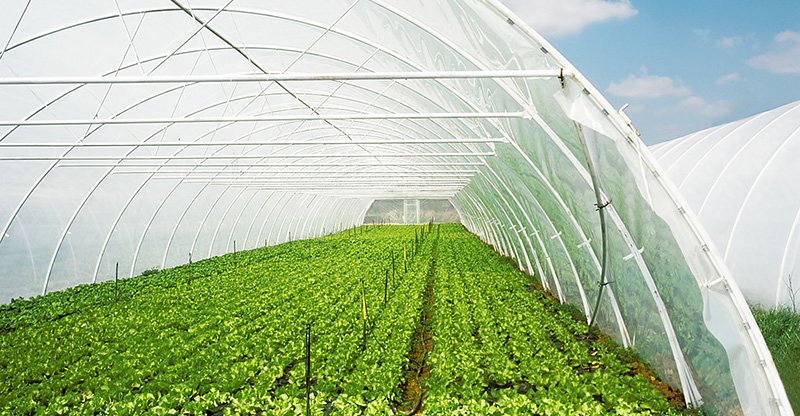
Container-Grown Ornamentals: Individual stake placement allows customized watering per pot size.
Seedling Beds: Low-pressure misting effect prevents displacement of young plants.
Propagation Areas: Consistent humidity maintenance around cuttings.
Bonsai & Specialty Plants: Precise water targeting for valuable specimens.
4. Berry Crops
Blueberries: Acid-loving plants benefit from foliar application in pH-managed systems.
Raspberries & Blackberries: Targeted irrigation reduces weed growth between rows.
Cranberries (during establishment phase): Effective for new bed development.
5.Field & Specialty Crops
Turfgrass Sod Farms: Efficient overlapping patterns for even turf growth.
Cut Flower Farms (Roses, Lilies, Sunflowers): Foliage stays dry while roots receive deep watering.
Herb Gardens (Basil, Mint, Rosemary): Adjustable patterns accommodate different plant heights.
Hemp/CBD Crops: Precise irrigation control for optimal cannabinoid production.
Crop-Specific Application Guidelines
| Crop Type | Recommended Stake Height | Optimal Spacing | Special Considerations |
| Young Orchards | 1.0-1.2m | 4-5m between sprinklers | Position to avoid direct trunk wetting |
| Mature Vineyards | 0.8-1.0m | 3-4m along trellis | Align with drip line for mixed systems |
| Vegetable Beds | 0.5-0.7m | 3-3.5m square pattern | Adjust height as plants grow |
| Berry Patches | 0.6-0.8m | 2.5-3.5m triangular | Use shorter stakes for trailing varieties |
| Nursery Containers | 0.3-0.5m | Custom per container group | Higher density for small pots |
Technical Advantages for Crop Production
Micro-Climate Management
Rotating micro sprinklers create favorable humidity levels for pollen viability in crops like tomatoes and peppers, while reducing blossom-end rot through consistent moisture availability.
Root Zone Optimization
The 180-360 degree rotation pattern encourages wider root system development compared to static sprinklers, particularly beneficial for tree establishment and drought resilience.
Fertigation Efficiency
Excellent distribution of dissolved fertilizers through rotation action, ensuring even nutrient application across the crop area with minimal leaching.
Frost Protection
During spring frost events, continuous rotation provides more uniform ice formation on plants, offering up to 3-5°C of frost protection when operated before freezing temperatures.
Crops Less Suitable for This System
While versatile, butterfly stake sprinklers may not be optimal for:
Tall field corn (conventional pivot irrigation is more efficient)
Flood-irrigated rice paddies
Extremely dense plantings with less than 1m row spacing
Crops highly susceptible to foliar diseases in humid climates (unless carefully timed)