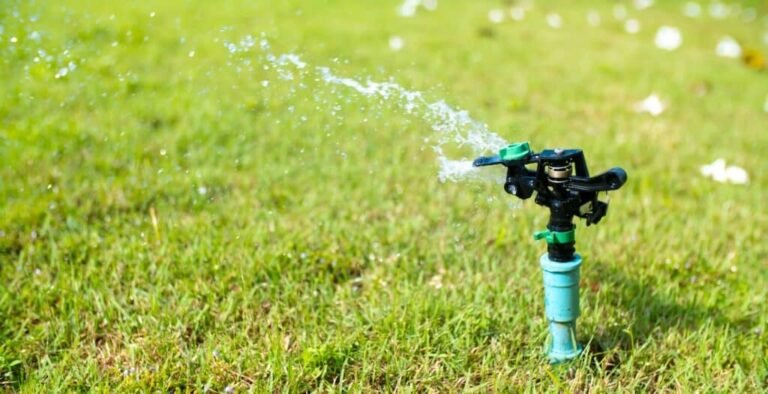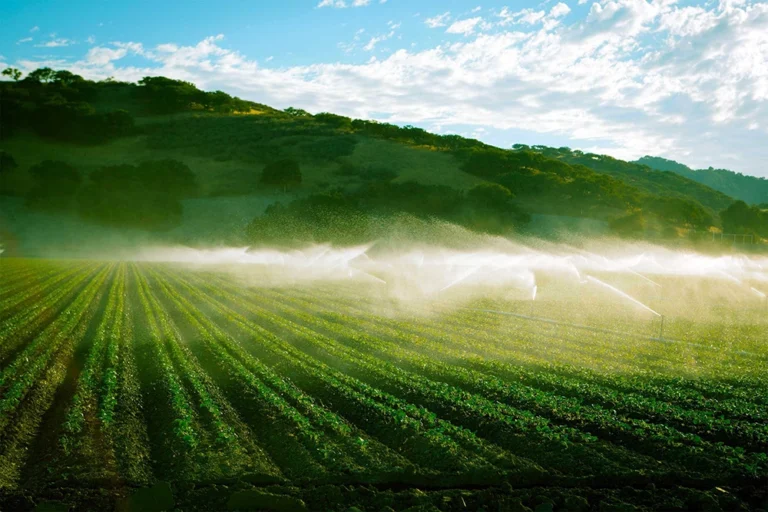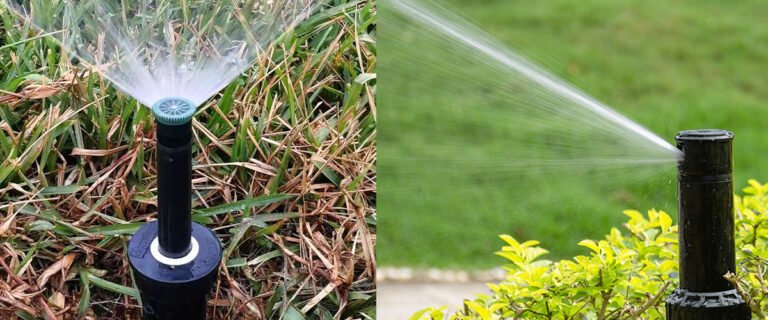
Proper irrigation is essential for a healthy landscape, but how to adjust sprinkler water flow is a question many homeowners and farmers face when they notice wasted water or dry spots. Whether you need sprinkler volume control for a residential garden or an agricultural field, mastering these adjustments ensures efficient watering and lower utility bills. In this guide, we walk you through the steps to reduce water flow on sprinkler heads and fine-tune your impact sprinkler adjustment for optimal performance.
Part 1: How to Reduce Water Flow on Sprinkler Heads
If you notice water running off your lawn or weak pressure elsewhere in the system, adjusting the flow is critical. Here are the most effective methods for precise sprinkler volume control.
1. Change the Nozzle Size
The quickest way to reduce water flow on sprinkler heads is by swapping the nozzle. Sprinklers typically come with interchangeable nozzles of varying sizes. By replacing the current nozzle with a smaller one, you restrict the water passing through, effectively lowering the gallon per minute flow rate while maintaining adequate pressure for even distribution.
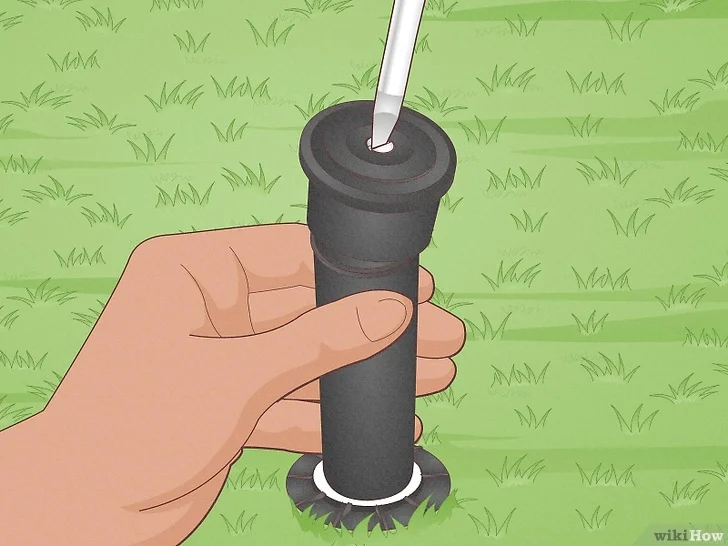
2. Install a Pressure Regulator
High pressure can cause misting, leading to evaporation and overspray. Installing a pressure regulator at the valve or adjusting the pump pressure on your system mainline helps stabilize the output. For systems using brass impact sprinkler rebuild kit components, maintaining the correct 65 PSI operating pressure is essential to prevent wear and ensure longevity.
3. Adjust Rotor Speed (For Rotating Heads)
On gear-drive or rotating heads, increasing the rotation speed disperses water more quickly, lowering the amount deposited per square foot. This is particularly useful for preventing runoff on slopes or clay soils, allowing better control over irrigation volume.
Part 2: Impact Sprinkler Adjustment Methods
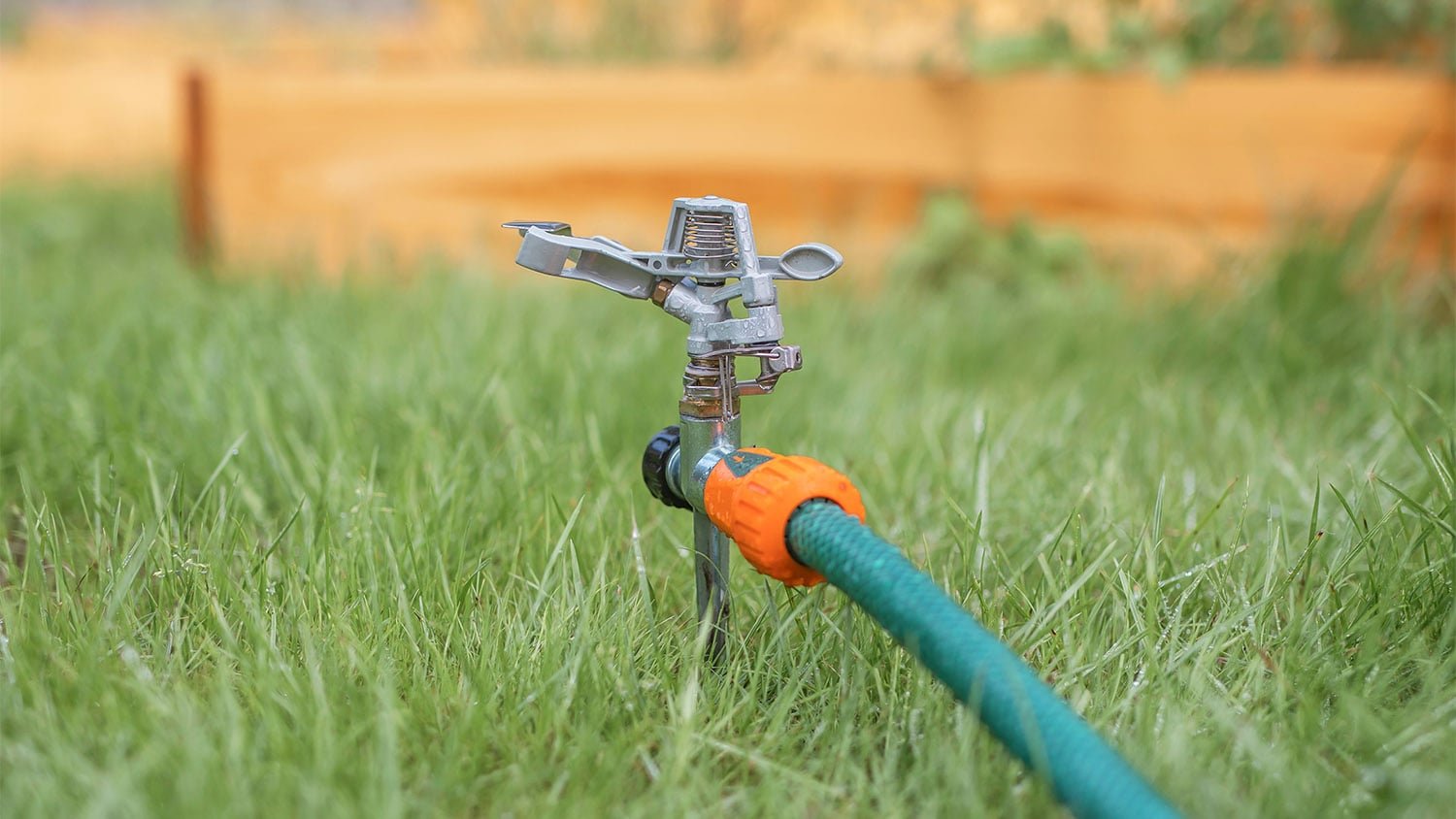
Impact sprinkler adjustment is relatively simple but requires attention to detail. Impact sprinklers, often made of durable brass or plastic, are common in both residential and agricultural settings. Here are the key techniques:
1. Adjust the Impact Arm Angle
The deflector arm controls the trajectory of the water. To reduce the radius and concentrate the flow, tighten the spring or adjust the arm closer to the stream. Using the adjustable diffuser screw on the nozzle allows you to break up the water stream further, shortening the throw and conserving water. This is particularly useful for cover crop germination where gentle, even watering is required.
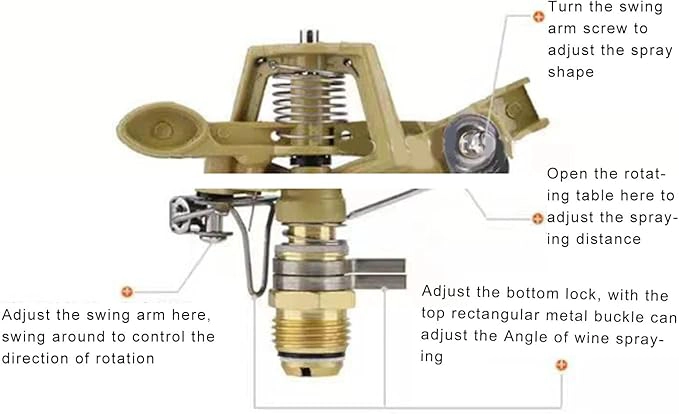
2. Change the Sprinkler Height
The elevation of the head directly affects coverage. Lowering the sprinkler reduces wind interference and limits the radius, which is beneficial for targeted watering in vegetable row crops. High risers are better suited for tall crops, but for most applications, keeping the head low improves efficiency.
3. Swap the Nozzle for Precision
Like standard sprays, impact sprinklers accept different nozzles. For a 3/4 inch inlet impact sprinkler, using a smaller nozzle reduces output, while a larger nozzle increases it. Always match the nozzle to your specific gallon per minute flow rate requirements to avoid low water pressure at last head issues in multi-head zones.
Addressing Common Purchasing Pain Points
When performing adjustments, users often encounter specific frustrations that signal deeper system issues. Understanding these can help you make better purchasing decisions.
Leaking around seal after adjustment: This often indicates worn seals or improper reassembly. Investing in a quality brass impact sprinkler rebuild kit can extend the life of your equipment and prevent water waste.
Splashing water onto sidewalk: If your sprinkler is hitting hardscapes, adjust the arc or install a low trajectory angle head (10-15 degrees) designed to keep water low and on target, reducing overspray.
Uneven water distribution: This is commonly caused by mixed nozzle sizes or pressure inconsistencies. Ensure all heads in a zone have matched precipitation rates.
Plastic threads cracking: Over-tightening plastic-bodied sprinklers is a common mistake. Always hand-tighten plus a quarter turn with a wrench to avoid damaging the threads. For heavy-duty applications, consider brass inlets for durability.
Conclusion
Mastering how to adjust sprinkler water flow and performing regular impact sprinkler adjustment are key to achieving a lush landscape while conserving water. Whether you are managing a small garden or large agricultural fields, paying attention to technical details like 65 PSI operating pressure, nozzle selection, and arm angle will yield significant savings and healthier plants.
For corporate clients and independent growers, investing in quality components—such as those found in a brass impact sprinkler rebuild kit or precision 3/4 inch inlet impact sprinkler—ensures reliability season after season. Remember, the goal is not just to water, but to water wisely.