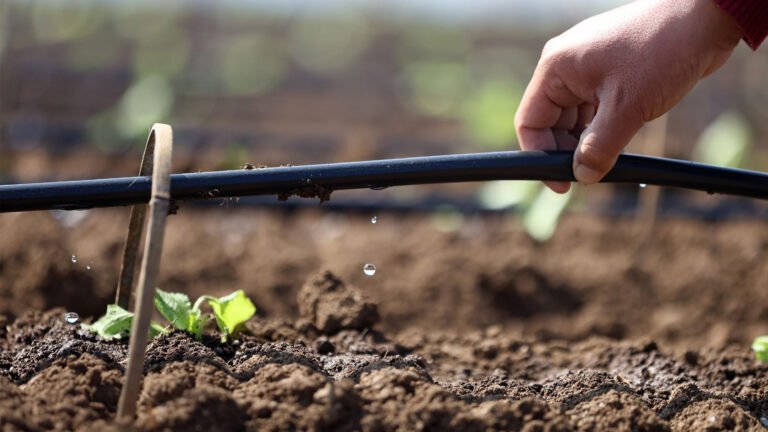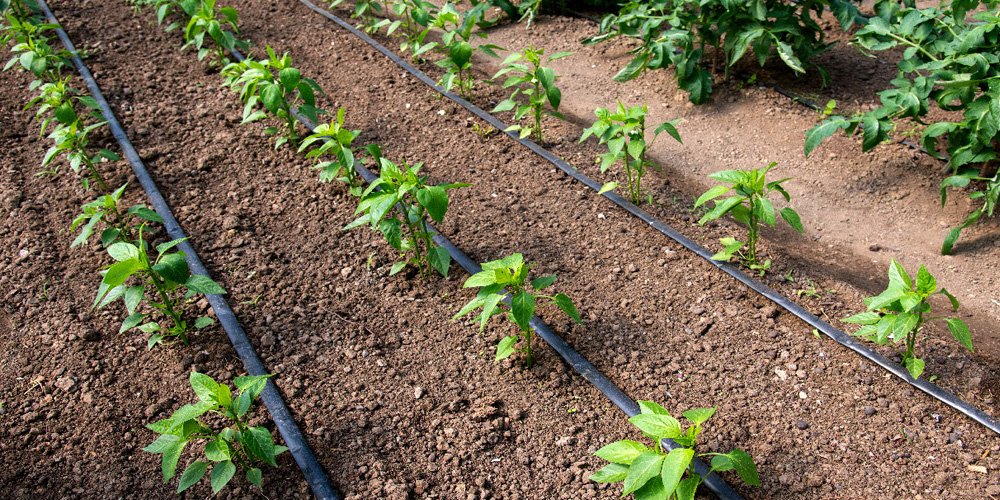
Meta Description: Discover how Agricultural Irrigation rain tape revolutionize irrigation. Learn about their benefits, applications, installation, and best practices for water-saving, efficient plant growth. Perfect for farms, greenhouses & gardens.
Introduction:
In the quest for sustainable agriculture and landscaping, efficient water management is paramount. Agricultural Irrigation rain tape have emerged as a leading irrigation solution, offering precision, conservation, and enhanced crop performance. This comprehensive guide explores everything you need to know about this versatile technology.
What is a Agricultural Irrigation rain tape?
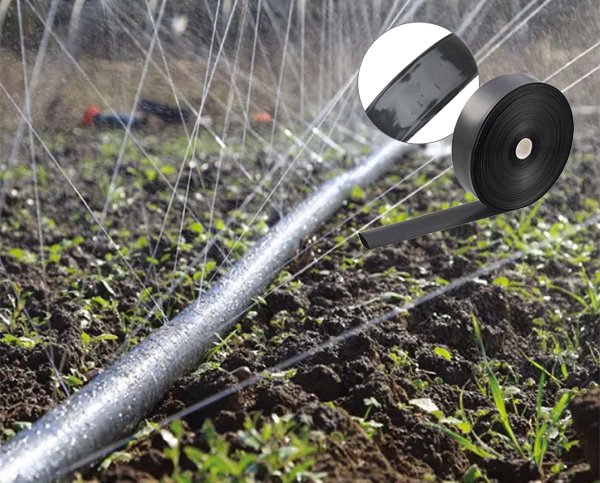
A agricultural irrigation rain tape is a flat, flexible hose made from durable polymers like PE or PVC, featuring precisely spaced emission points (micro-holes or drippers). Operating at low pressure, it emits a fine spray, mist, or gentle stream of water directly to the root zone of plants. It effectively bridges the gap between drip irrigation and overhead sprinklers, combining uniformity with targeted application. And our company -Highsight irrigation could supply various of rain tapes with many sizes .Popular Normal sizes are in 1” (Dia.25mm N40 or Dia.28mm N44) ; 1-1/4” Dia.32mm N50; 1.5” (Dia.38mm N60 );1-3/4”(Dia.40mm, N63);2” (Dia.50mm N80) and so on . welcome to you inquired . thanks so much !
Key Benefits: Why Choose Agricultural Irrigation rain tape?
·Superior Water & Energy Efficiency: Reduces water waste from evaporation, runoff, and deep percolation by 30-50% compared to flood irrigation. Requires low operating pressure (15-40 PSI), cutting pumping costs.
·Uniform Irrigation & Improved Yield: Provides consistent moisture distribution, preventing plant stress. Increases local humidity, creating an ideal microclimate for seed germination, leafy vegetables, flowers, and transplants.
·Labor & Cost Savings: Easy to install, relocate, and automate with timers. Significantly reduces the man-hours needed for manual watering.
·Enhanced Flexibility & Adaptability: Lightweight and easy to deploy on flat land, slopes, greenhouses, and irregular fields. Ideal for close-growing row crops, orchards, and landscape beds.
·Optimized Plant Growth: Supports healthy root development and enables easy integration with fertilizers (fertigation), boosting nutrient uptake and crop quality.
Primary Applications
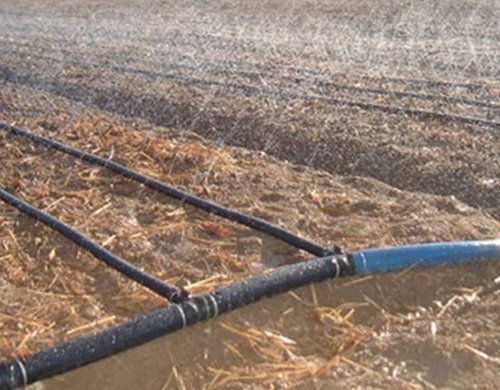
Field Crops: Potatoes, sugarcane, strawberries, lettuce, maize.
Protected Cultivation: Greenhouses and tunnels for vegetables, berries, and nursery propagation.
Orchards & Vineyards: Young tree establishment, high-density plantings, and inter-row irrigation.
Landscaping & Gardens: Hedges, flower beds, lawns, and newly planted trees.
Erosion Control & Revegetation: Supporting plant establishment on slopes and in reclamation projects.
How to Select, Install & Maintain
1. Choosing the Right Tape:
Type: Laser-perforated tapes produce a fine mist for high uniformity. Punched-hole tapes emit small streams and offer slightly better clog resistance.
Specifications: Select diameter (e.g., 25mm, 32mm), wall thickness, and emitter spacing (e.g., 10cm, 20cm, 30cm) based on crop layout, soil type, and water requirement.
Material: UV-stabilized polyethylene ensures longevity for extended outdoor use.
2. Installation & Operation Best Practices:
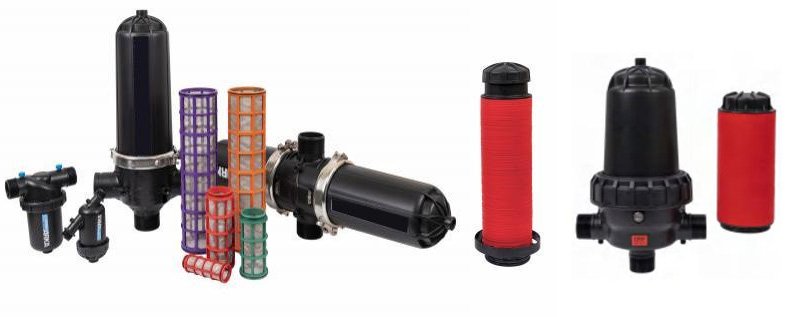
Filter is NON-NEGOTIABLE: Always use a grade 120-150 mesh filter to prevent clogging from sediments and algae. And There is screen filter and disc filter .
Proper Layout: Lay the tape with emitters facing upwards. It can be placed on the soil surface, under mulch (for “mulch-under-tape” efficiency), or lightly buried.
Pressure Management: Adhere to manufacturer’s recommended pressure ranges. Use pressure regulators for consistent performance.
Scheduling: Implement frequent, short-duration cycles to maintain optimal soil moisture without runoff. Use a timer/controller for automation.
3. Essential Maintenance:
Flush the system regularly, starting with the mainline and laterals before connecting tapes.
Perform periodic checks for leaks, cuts, or clogged emitters.
At season’s end, drain, clean, and store tapes properly to extend service life.
Agricultural Irrigation Rain Tape vs. Drip Tape: Key Differences
| Feature | Agricultural Irrigation rain tape | Drip Tape (Inline Emitters) |
| Wetting Pattern | Wider, fan-shaped area (surface & foliage) | Narrow, direct root zone only |
| Humidity Effect | Cools air, raises local humidity | Minimal impact on air humidity |
| Clogging Tendency | Generally lower risk (larger openings) | Higher risk, requires superior filtration |
| Ideal For | Dense plantings, germination, humidity-loving crops | Widely spaced rows, water-sensitive crops |
FAQ Section
·Q: Can I use fertilizer with Agricultural Irrigation rain tapes?
A: Absolutely. They are excellent for fertigation. Always use soluble fertilizers and inject them through a dedicated venturi or pump. Flush the system with clean water after each fertigation cycle.
·Q: What is the typical lifespan of a tape?
A: With proper care (filtration, UV protection, storage), quality tapes can last 2-5 seasons. Thicker-walled tapes offer greater durability.
·Q: What are the essential components of a system?
A: Water source → Pump → Backflow Preventer → Fertilizer Injector → Filter → Pressure Regulator → Mainline & Submains → Connectors/Fittings → Rain Tapes → End Plugs or Flush Valves.
Conclusion
Agricultural Irrigation rain tape technology represents a smart investment in agricultural productivity and environmental stewardship. By delivering water and nutrients directly where plants need them most, it promotes healthier growth while conserving vital resources. Whether managing a commercial farm or a home garden, implementing a well-designed micro-sprinkler system is a decisive step towards precision irrigation and sustainable cultivation.Ready to optimize your irrigation? Consult with an irrigation specialist to design a tailored Rain tape system for your specific needs.