Contact HighSight Team


You will get reply within 48 hours.
Your email ID will not be used for any other purpose.
Your email ID will not be used for any other purpose.
You can email us directly. Our email address: elaine@chinahighsight.com

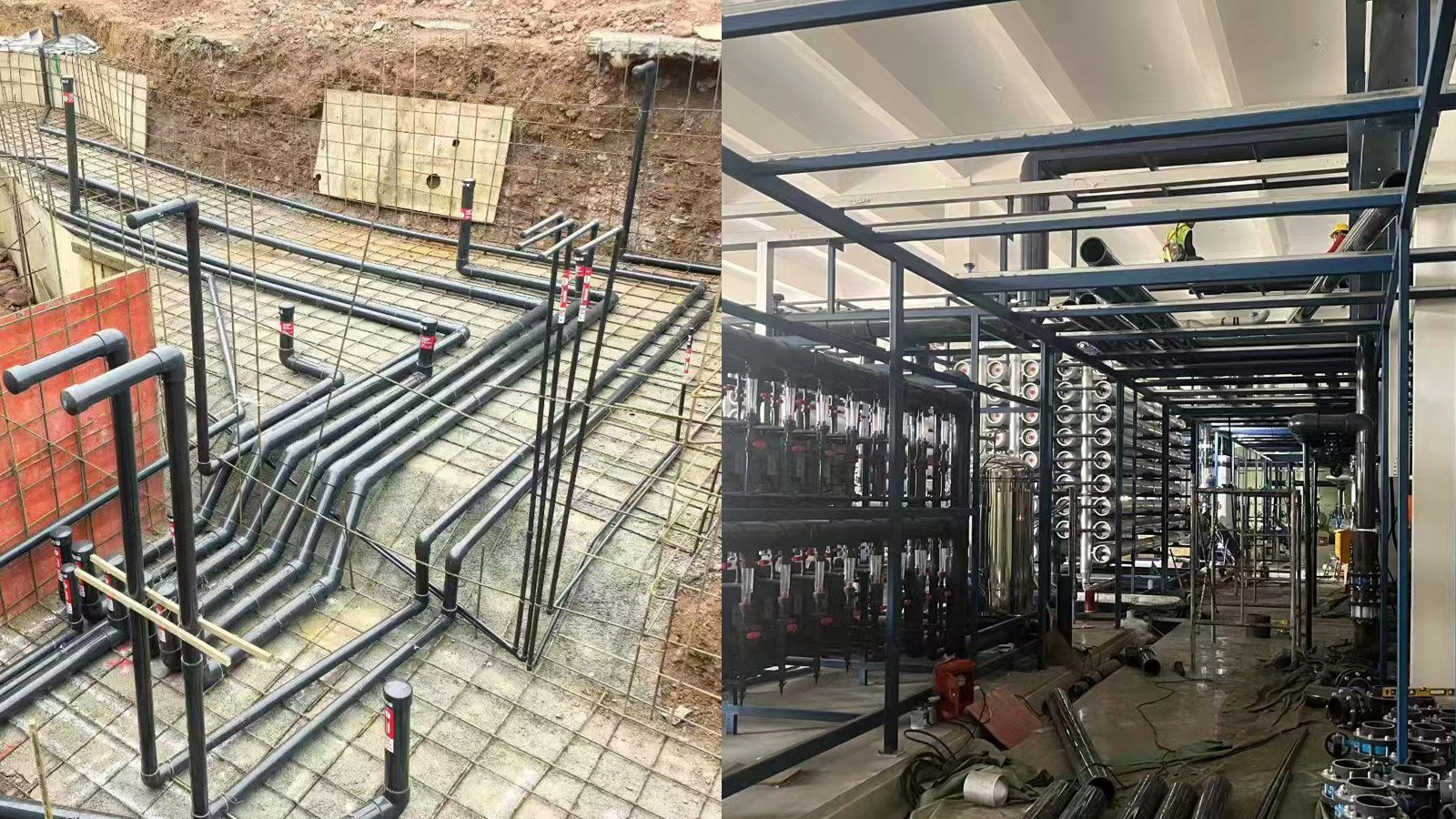
I. Core Basics of UPVC Pipe Fittings:
A. Material Characteristics: UPVC (unplasticized polyvinyl chloride) pipe fittings are corrosion-resistant (against acids, alkalis, and salts), lightweight, and have good insulation properties. They are not resistant to high temperatures (long-term use temperature ≤ 60°C) and are prone to brittleness at low temperatures (special care needed below -10°C).
B. Applicable Scenarios: Mainly used for water supply and drainage (cold water), chemical pipelines, and building wiring conduits. They are prohibited for use in hot water pipelines (as they are prone to deformation and aging).
Understanding the Importance of UPVC Pipe Fittings:
These fittings play a critical role in ensuring the integrity and efficiency of plumbing systems. Their lightweight nature facilitates easy handling and installation, making them a preferred choice for both residential and commercial projects. Additionally, their resistance to corrosion prolongs the lifespan of the plumbing system, reducing the need for frequent repairs and replacements.
Potable water applications highlight the significance of safety in plumbing. UPVC pipe fittings ensure that drinking water remains uncontaminated, providing peace of mind for households and businesses alike. In regions where water quality is a concern, these fittings are ideal due to their non-reactive properties.
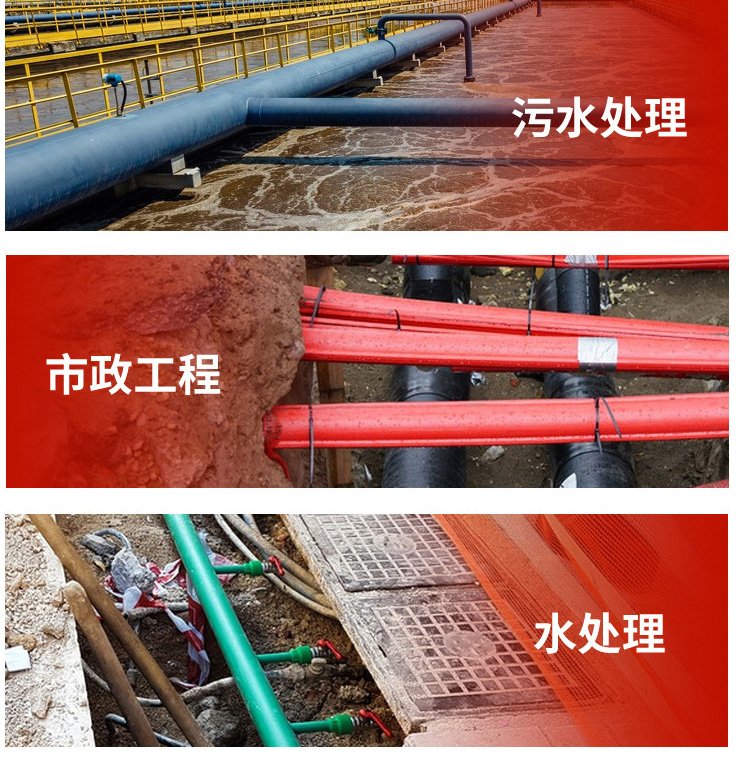
1.Potable water (cold water) applications
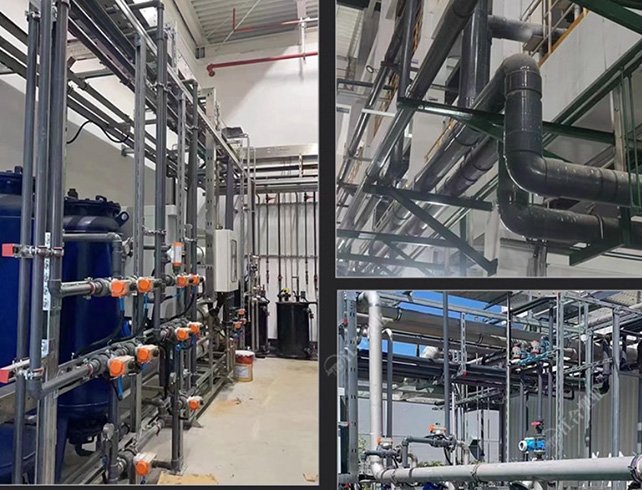
Industrial-grade applications showcase the versatility of UPVC pipe fittings. Industries like agriculture and manufacturing utilize these fittings to transport various fluids, owing to their durability and chemical resistance. This adaptability ensures that businesses can rely on these components under diverse conditions.
Key Features of UPVC Pipe Fittings:
Benefits of Using UPVC Pipe Fittings:
Understanding Pressure Ratings:
Pressure ratings are crucial in determining the suitability of UPVC pipe fittings for specific applications. For instance, in a commercial setting where higher pressures are common, opting for a PN1.6 MPa fitting would be advisable. This decision minimizes the risks of leaks and structural failures.
Importance of Specifications and Sizes:
Selecting the correct nominal diameter is essential to ensure optimal flow rates in plumbing systems. A mismatch in size could lead to unnecessary pressure loss or inefficient water distribution. It’s advisable to consult with a plumbing professional to ensure proper sizing for your specific needs.
When selecting nominal diameters, it’s important to consider the specific requirements of the installation. For example, DN15 may be suitable for small residential projects, while larger diameters like DN50 are better suited for commercial systems that handle greater volumes of water.
2.Industrial-grade application scenarios
Connection Methods Explained:
Each connection method for UPVC pipe fittings has its unique advantages. Solvent cement joints, for example, are favored for their simplicity and effectiveness in creating a strong bond. However, ensuring the joints are undisturbed during curing is vital for achieving optimal strength.
II. Key Technical Parameters
A. Pressure Rating: Common grades are PN1.0/1.6 MPa (corresponding to working pressures of 10/16 kg/cm²). It must match the pipeline system pressure to avoid overpressure and leakage.
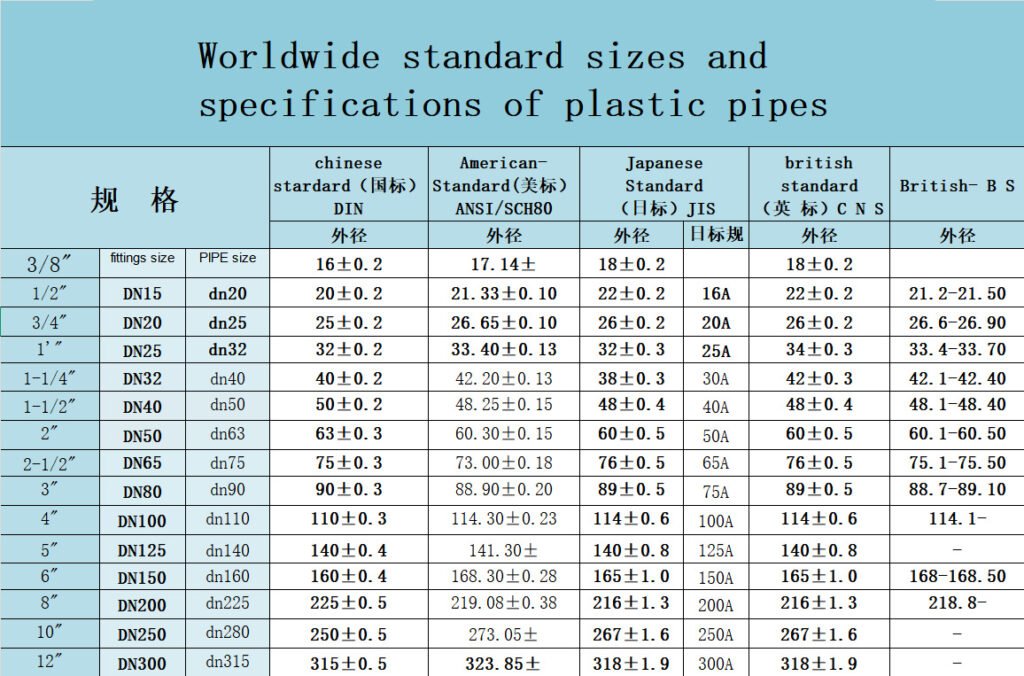
B. Specifications and Sizes:
Flanged connections are often preferred in high-pressure scenarios due to their reliability. The bolted fixation not only ensures a tight seal but also allows for easy disassembly when maintenance is required, making them a practical choice in many settings.
Threaded connections, while less common, provide a secure option for smaller fittings. However, the importance of not over-tightening cannot be overstated, as this can lead to cracking and failure of the fitting. Proper installation techniques are crucial to ensure long-term performance.
1)Nominal Diameter (DN): DN15/20/25/32/40/50/63, etc. (corresponding to common imperial sizes such as “1/2”, “3/4”, “1” …).
Quality Assessment Criteria:
When evaluating UPVC pipe fittings, appearance is just one factor. Ensuring structural integrity through uniform wall thickness and smooth surfaces can significantly impact performance. A thorough inspection before installation can prevent future issues and enhance system reliability.
Best Practices for UPVC Pipe Fittings Installation:
Regular quality checks are essential in maintaining plumbing systems. Monitoring for wall thickness uniformity can help identify potential weaknesses that may lead to catastrophic failures in high-pressure applications.
II. Key Technical Parameters
A. Pressure Rating: Common grades are PN1.0/1.6 MPa (corresponding to working pressures of 10/16 kg/cm²). It must match the pipeline system pressure to avoid overpressure and leakage.
B. Specifications and Sizes:
Installation Best Practices:
Adhering to proper installation guidelines ensures the longevity of UPVC pipe fittings. For instance, selecting the right cutting tool minimizes damage to the pipe ends, which is crucial for ensuring a secure connection. Additionally, it’s vital to maintain a clean workspace to prevent contamination of the joints.
Compatibility considerations can also significantly affect system performance. Ensuring that UPVC fittings are only used with compatible materials prevents chemical reactions that could compromise the system’s integrity. Transition fittings should be used when connecting dissimilar materials.
III. Quality Assessment
Regular maintenance also involves monitoring for signs of wear and tear. For example, inspecting joints for leaks and ensuring that any chemical pipelines are replaced on a schedule can prevent catastrophic failures and ensure continued safe operation.
Addressing Common Issues:
Understanding the potential issues with UPVC pipe fittings allows for proactive management. For instance, addressing leakage promptly can save significant costs and prevent extensive damage to surrounding areas. Always ensure that cementing procedures are closely followed to avoid common pitfalls.
Cracking can also be mitigated by ensuring proper handling and installation techniques, especially in colder temperatures. Utilizing the right materials and ensuring compatibility can alleviate many of the challenges associated with UPVC pipe fittings.
Blockages can often be rectified through regular maintenance schedules that include cleaning pipes and ensuring proper installation techniques. This not only helps maintain flow efficiency but also extends the overall lifespan of the plumbing system.
IV. Installation and Usage Notes
V. Common Issues and Mitigation
Leakage: Often caused by unclean joints, uneven solvent cement application, or water flow before full curing. Solution: Strictly follow the cementing procedure; allow curing time ≥ 24 hours.
Cracking: Caused by impact at low temperatures, overpressure operation, or insufficient wall thickness. Solution: Select fittings with adequate pressure margin; handle gently during winter installation.
In conclusion, understanding the correct usage and characteristics of UPVC pipe fittings is essential for anyone involved in plumbing projects. By following best practices, you can ensure an effective and reliable plumbing system that meets all necessary requirements. Always remember to choose the right specifications, maintain quality control, and address common challenges proactively to ensure long-lasting performance.