Contact HighSight Team


You will get reply within 48 hours.
Your email ID will not be used for any other purpose.
Your email ID will not be used for any other purpose.
You can email us directly. Our email address: elaine@chinahighsight.com

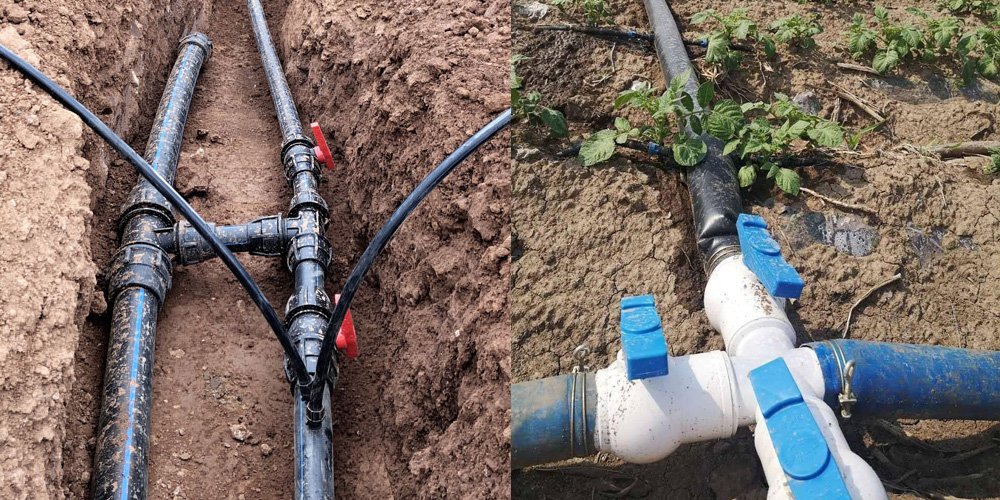
Meta Description: Looking for reliable irrigation valves? Our complete guide to UPVC Ball Valves covers their benefits, key features, selection tips, and installation for efficient agricultural water management.
UPVC Ball Valves are crucial components in modern irrigation systems, providing a reliable means for controlling water flow and pressure. The versatility of these valves makes them suitable for various irrigation applications, ensuring efficient water management practices.
These valves are not only functional but also environmentally friendly, as they are recyclable and contribute to sustainable irrigation practices. Their use in agriculture can significantly reduce water wastage and improve crop yields, making them a favorite among farmers and irrigation professionals alike.
UPVC Impact Ball Valves are quarter-turn valves designed with a spherical disc (the ball) that controls flow through a port. The “impact” designation indicates that the UPVC material has been specially formulated or reinforced to withstand mechanical shock, pressure surges, and lower temperatures without becoming brittle. Unlike standard PVC, UPVC contains no plasticizers, making it more rigid, chemically resistant, and suitable for a wider range of industrial applications.
One of the standout features of UPVC Ball Valves is their ability to maintain a consistent flow rate, which is essential for preventing issues such as over-irrigation or under-irrigation. By ensuring that water is delivered at the right rate, these valves help in maintaining optimal soil moisture levels.
Additionally, the installation of UPVC Ball Valves is straightforward, requiring minimal tools and professional expertise. This ease of installation can save time and costs for irrigation system setups, which is particularly beneficial for large-scale agricultural operations.
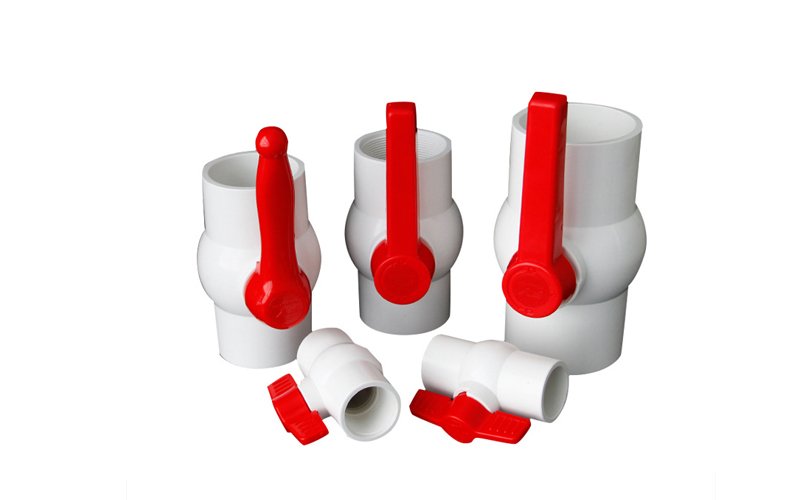
· Impact Resistance: Specially formulated UPVC withstands pressure surges up to 150% of rated pressure
Furthermore, these valves can be automated, allowing for remote control and monitoring. This automation aligns with modern agricultural techniques that prioritize precision and efficiency, enabling farmers to manage their resources better than ever before.
· Corrosion Immunity: Completely resistant to rust, chemical fertilizers, and agricultural chemicals
· UV Stabilization: Most irrigation-grade UPVC valves include UV inhibitors for prolonged outdoor service
· Smooth Bore Design: Minimizes pressure drop and prevents clogging from sediment
Standard working pressures: 10 bar (150 psi) to 16 bar (230 psi)
Temperature range: 0°C to 60°C (32°F to 140°F)
Burst pressures typically 4x working pressure
The robust design of UPVC Ball Valves contributes not only to their longevity but also to their performance under varying environmental conditions. They can withstand extreme weather, making them ideal for outdoor irrigation setups.
Socket weld ends for permanent installation
It’s also important to note that UPVC Ball Valves are cost-effective in the long run. Their durability reduces the frequency of replacements, which can be a significant cost factor in irrigation projects.
Threaded connections (BSP/NPT) for modular systems
Flanged versions for larger diameter mains
In various agricultural settings, such as vineyards and orchards, UPVC Ball Valves provide precise control over irrigation, enabling producers to optimize water usage based on crop needs and weather conditions.
Moreover, their compatibility with various irrigation systems, including drip and sprinkler systems, makes UPVC Ball Valves a versatile choice for farmers looking to modernize their water management approaches.
Irrigation systems experience frequent pressure surges from pump starts/stops and rapid valve closures. The impact-modified material absorbs these shocks, preventing the catastrophic failures common with standard PVC valves.
Unlike metal valves, UPVC doesn’t corrode when exposed to:
º Agricultural fertilizers and pesticides
º Chemically treated water
º Soil minerals and acidic conditions
As technology continues to evolve, the integration of smart irrigation systems that utilize UPVC Ball Valves will further enhance water conservation methods, reducing environmental impact while maximizing agricultural productivity.
Mainline isolation and zoning;Pump discharge control;Reservoir inlet/outlet management
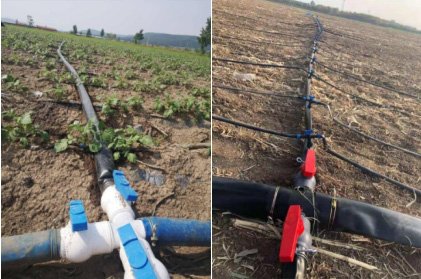
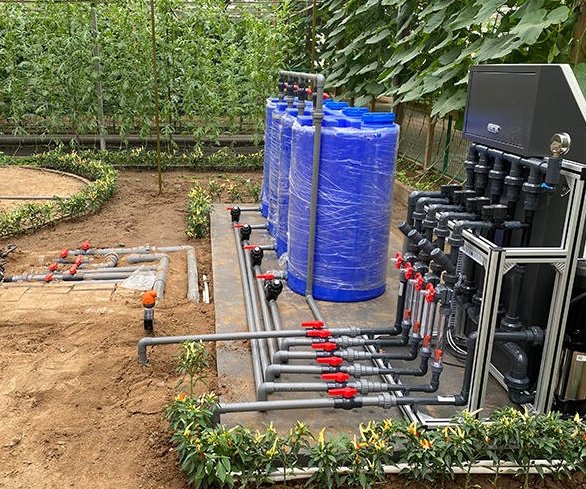
Drip irrigation header control;Sprinkler system zone valves;Greenhouse irrigation manifolds
In conclusion, the adoption of UPVC Ball Valves in irrigation systems not only improves efficiency but also supports sustainable agricultural practices. Their benefits extend beyond mere functionality, offering farmers the tools they need to face the challenges of modern agriculture.
Selection Criteria for Irrigation Projects
º Match valve Cv (flow coefficient) to system requirements
º Consider future expansion when sizing
º Account for pressure drop at maximum flow
º Choose pressure rating exceeding maximum system pressure
º Include safety margin for pressure surges
º Consider elevation changes in the system
300% better impact resistance
Higher pressure ratings
Better UV and chemical resistance
60% lower cost than stainless steel
No galvanic corrosion in buried applications
Lighter weight for easier installation
No dezincification in aggressive water
Better flow coefficients
No metal contamination of water
With the ongoing advancements in irrigation technology and the increasing importance of sustainable practices, UPVC Ball Valves stand out as a vital component in the quest for efficient water management in agriculture.
As irrigation technology advances toward greater automation and efficiency, the reliability of system components becomes increasingly critical. UPVC Impact Ball Valves provide that reliability foundation, ensuring that irrigation systems deliver consistent performance season after season.
For irrigation designers, contractors, and agricultural operators, specifying UPVC Impact Ball Valves means choosing a proven solution that protects system integrity while maximizing return on investment through decades of trouble-free service.