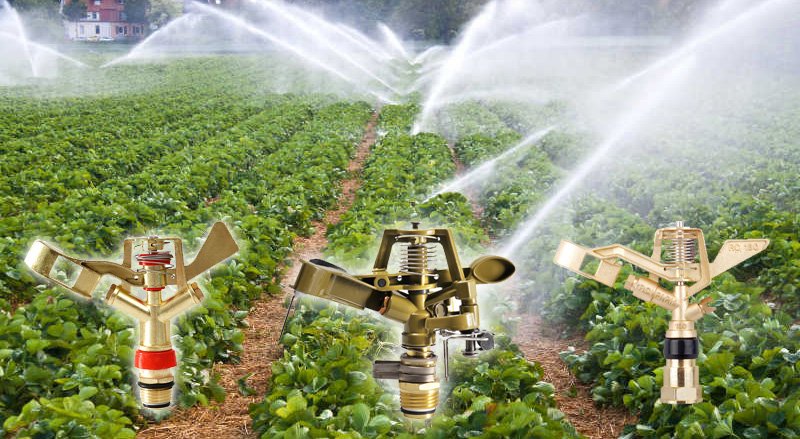
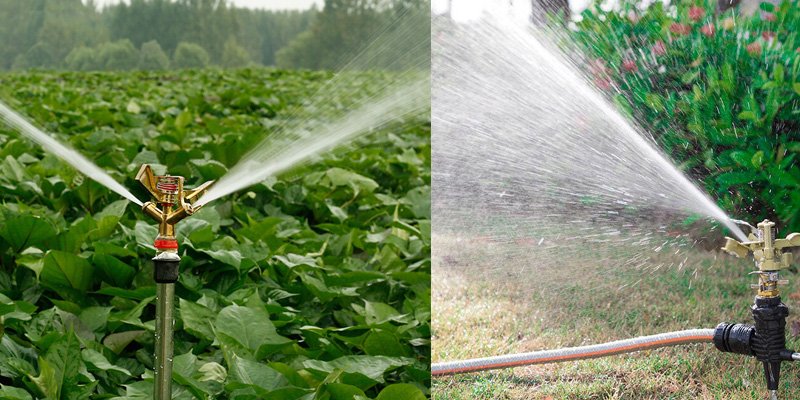
Among the core components of irrigation systems, the choice of material directly determines the performance, lifespan, and cost of sprinklers. When you need to find the optimal balance between the affordability of plastic sprinklers and the high cost of all-copper or stainless steel sprinklers, Zinc Alloy Sprinklers are becoming the preferred solution for an increasing number of agricultural growers, landscape maintenance professionals, and specialized contractors.
Many professionals are discovering that utilizing Zinc Alloy Sprinklers can lead to increased efficiency in their irrigation systems.
Four Core Advantages: Why Choose Zinc Alloy Sprinkler ?
In fact, Zinc Alloy Sprinklers are designed to outperform many traditional options available on the market.
By integrating Zinc Alloy Sprinklers into your irrigation systems, you can ensure superior performance and durability.
- Exceptional Cost Performance and Economic Benefits
· Cost Advantage: Compared to brass or stainless steel sprinkler heads, zinc alloy materials significantly reduce costs, enabling the construction or upgrading of large-scale irrigation systems within a more economical budget.
This makes Zinc Alloy Sprinklers a popular choice among irrigation specialists.
· Performance Value: Key performance metrics far exceed those of plastic sprinkler heads, achieving “metal-level performance at a price close to plastic” and offering lower total lifecycle costs.
Ultimately, the robustness of Zinc Alloy Sprinklers contributes to their growing reputation.
Furthermore, Zinc Alloy Sprinklers have shown impressive resilience to harsh conditions.
Thus, Zinc Alloy Sprinklers are ideal for various agricultural and landscaping applications.
- Outstanding Durability and Structural Strength
· Pressure and Impact Resistance: The die-cast zinc alloy shell is dense and high-strength, capable of stably withstanding the typical working pressures of irrigation systems (usually 0.2–0.4 MPa), minimizing risks of bursting or deformation.
· UV and Weathering Resistance: Completely overcomes the brittleness and aging issues common in plastic sprinkler heads under prolonged sun exposure, making it suitable for various outdoor climates and ensuring a longer service life.
- Excellent Corrosion Resistance and Environmental Adaptability
· Surface Protection: High-quality zinc alloy sprinkler heads typically undergo multi-layer electroplating (e.g., chromium, nickel) or environmentally friendly coating treatments, forming an effective protective barrier against daily corrosion from water, weak acids/bases, and chemicals in the soil.
· Broad Applicability: Suitable for most water quality conditions (non-highly corrosive), delivering reliable performance in scenarios such as farmland, orchards, and general garden landscapes.
- Precision Performance and Stability
· Uniform Spraying: Metal materials allow for more precise machining of smooth flow channels and nozzles, ensuring stable water flow, consistent spray patterns, and high precipitation distribution uniformity, effectively improving irrigation efficiency.
· Strong Compatibility: Easily connects with standard irrigation piping systems (e.g., PVC, PE) and fittings, facilitating convenient installation and maintenance.
Typical Application Scenarios: Where Are They Most Suitable for Use?
Many users have reported satisfaction with Zinc Alloy Sprinklers in their irrigation setups.
In addition, Zinc Alloy Sprinklers provide a reliable solution for nurseries.
The effectiveness of Zinc Alloy Sprinklers in maintaining green spaces cannot be overstated.
Moreover, Zinc Alloy Sprinklers are perfect for schools and athletic fields.
Choosing Zinc Alloy Sprinklers for upgrades ensures enhanced water distribution.
- Medium-sized Farmland and Grain Planting Areas: Ideal for field crop irrigation where cost sensitivity is a priority, yet uniformity of irrigation and system durability must be ensured.
- Economic Orchards and Nurseries: Suitable for irrigation between rows or beneath trees and seedlings, where sprinkler heads need to be durable and resistant to damage from agricultural activities.
- Municipal and Residential Landscape Greening: Applicable to parks, road green belts, residential lawn areas, and other settings where long-term landscape maintenance must be balanced with budget control.
- Sports Fields and School Green Spaces: Suitable for high-frequency use areas such as football fields and school playgrounds, where durability and stable performance are essential.
- As an Upgrade Replacement for High-Quality Plastic Sprinkler Heads: An ideal choice for replacing aging or fragile plastic sprinkler systems to enhance overall reliability.
Selection, Installation, and Maintenance Guide
How to Choose the Right Product?
- Match Performance Parameters: Select the appropriate model based on water source pressure, required spray radius (e.g., 8–15 meters), coverage angle (full circle, adjustable sector), and flow rate.
- Consider the Working Environment: For areas with hard water (prone to scaling) or slightly corrosive conditions, verify the product’s surface treatment grade.
Installation and Usage Tips:
- System Cleaning First: Always flush the main and branch pipes before installation to prevent debris from entering the sprinkler head.
- Standard Filtration Setup: It is strongly recommended to install a filter with a mesh size of at least 80 or higher at the system’s inlet. This protects the sprinkler nozzle from clogging due to sand or gravel, which is key to extending the lifespan of any sprinkler head.
- Proper Installation and Adjustment: Install according to the designed spacing, ensure the top of the sprinkler head is level, and conduct preliminary adjustments to the spray range based on wind direction and water pressure.
Maintenance Recommendations:
· Regular Inspections: Check for complete spray patterns and ensure there are no significant deviations or rotational blockages.
· Periodic Cleaning: Disassemble the nozzle and internal filter (if present) to remove scale and debris.
· Winter Protection: In cold climates, ensure pipes and sprinkler heads are drained of residual water at the end of the season to prevent freeze damage.
Zinc alloy metal sprinkler for irrigation have successfully built a robust bridge balancing cost, performance, and lifespan. While not the ultimate solution for extremely harsh environments, they serve as an “all-rounder” option that meets the needs of the vast majority of conventional irrigation applications. For users who prioritize practicality, efficiency, and long-term return on investment, choosing a finely crafted zinc alloy sprinkler head is undoubtedly a wise decision for building a reliable and efficient irrigation system.
Highsight Irrigation supplies a wide variety of zinc alloy sprinkler heads in multiple models and sizes, such as 1/2″ male, 3/4″ male/female, and more. We can provide the right selection based on customers’ specific usage requirements. Please feel free to contact us if you have any questions.
In conclusion, investing in Zinc Alloy Sprinklers guarantees a solid return for your irrigation setup.
Contact us today to learn more about our selection of Zinc Alloy Sprinklers.